
After more than 30 years in Seville, I often get the same question: when should you actually come? The answer depends on what you're looking for — but here's my honest rundown of the year's four seasons.
- Best months overall: March–May
- Best weather: April and October
- Best atmosphere and festivals: April
- Cheapest months: January and February
- Hottest months: July and August
- Busiest periods: Semana Santa and Feria de Abril
Spring (March–May)
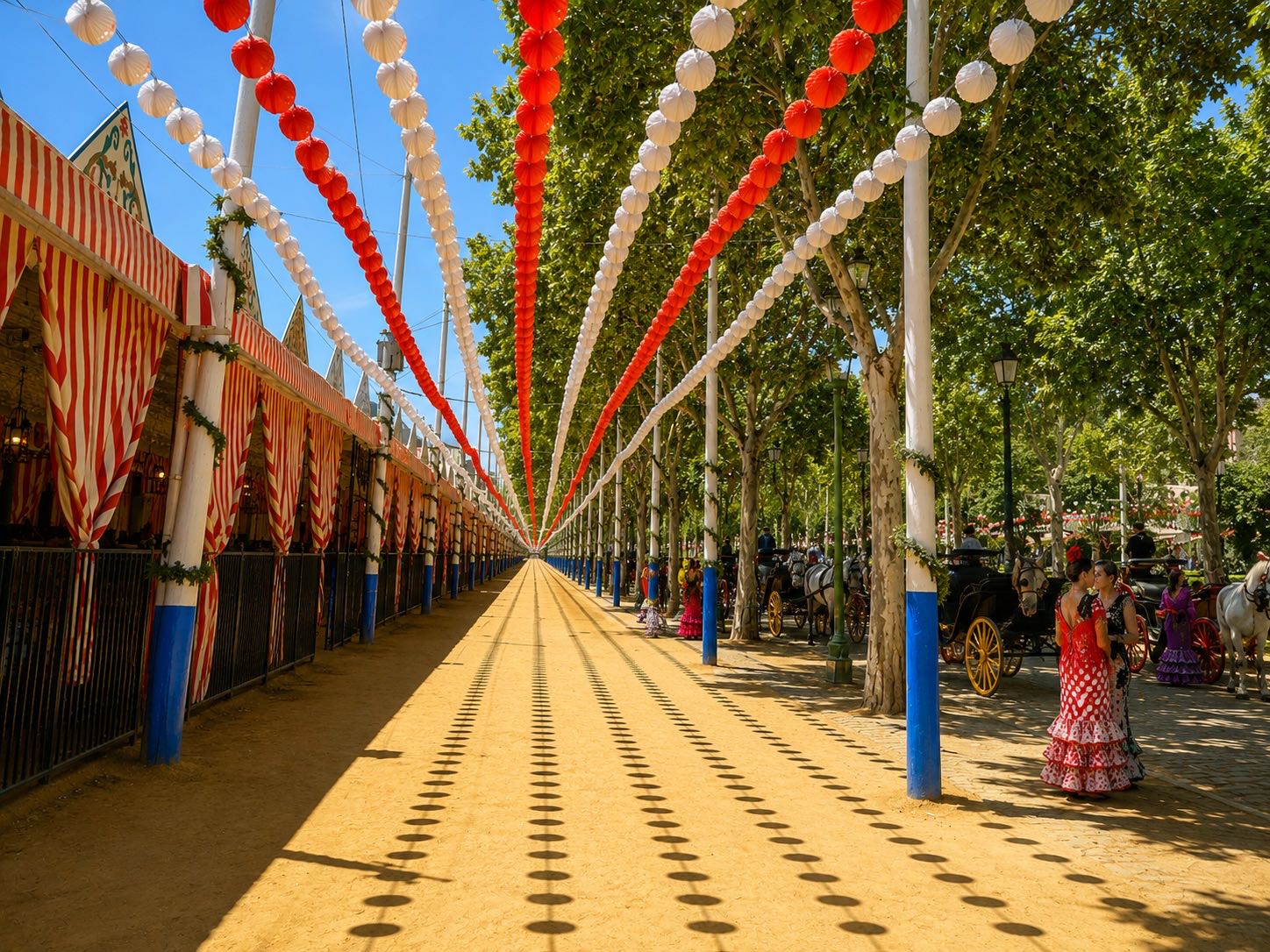
Spring is the season most people recommend, and with good reason. The temperature is comfortable enough that you can go from neighbourhood to neighbourhood without planning your day around the heat. The days are long, and street life blossoms alongside the orange trees. This is also when Seville celebrates its two great festivals: Semana Santa and Feria de Abril.
But spring is also the busiest season. Hotel prices rise early, and during Semana Santa large parts of the old town are closed off for the processions — the streets change rhythm completely. If you want to experience it, plan your trip around the event, not as a regular sightseeing stay.
Summer (June–August)
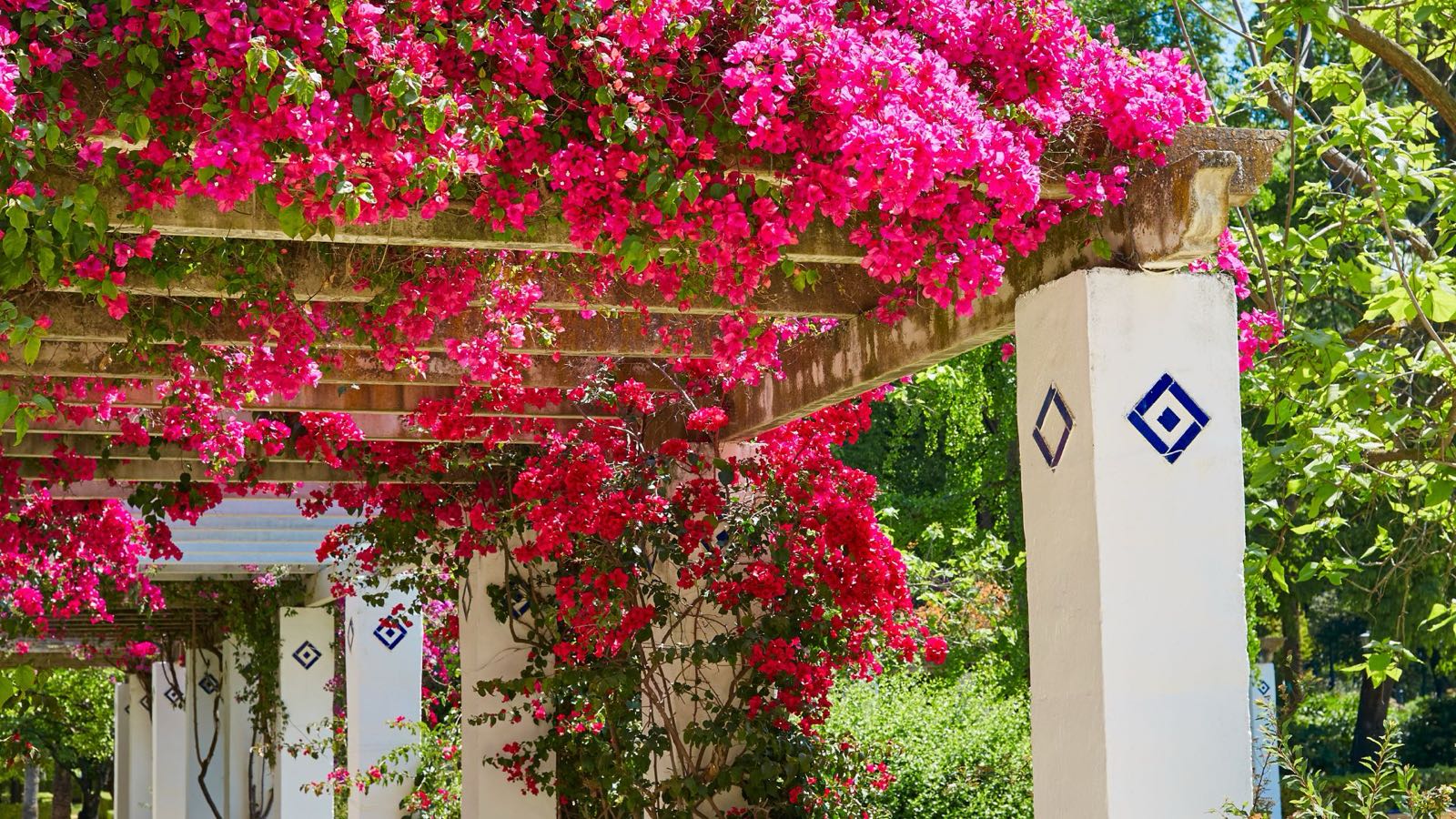
Seville is among Europe's hottest cities in summer, and July and August can bring temperatures well above 40°C. The city shifts its pace — Sevillians themselves stay indoors in the middle of the day and come alive in the evening. If you visit during this period, do as the locals do: see the sights early morning, take a siesta, and enjoy the evenings at terrace bars that only fill up then.
The upside is lower accommodation prices and shorter queues at the monuments in the middle of the day — most tourists retreat from the heat right then.
Autumn (September–November)
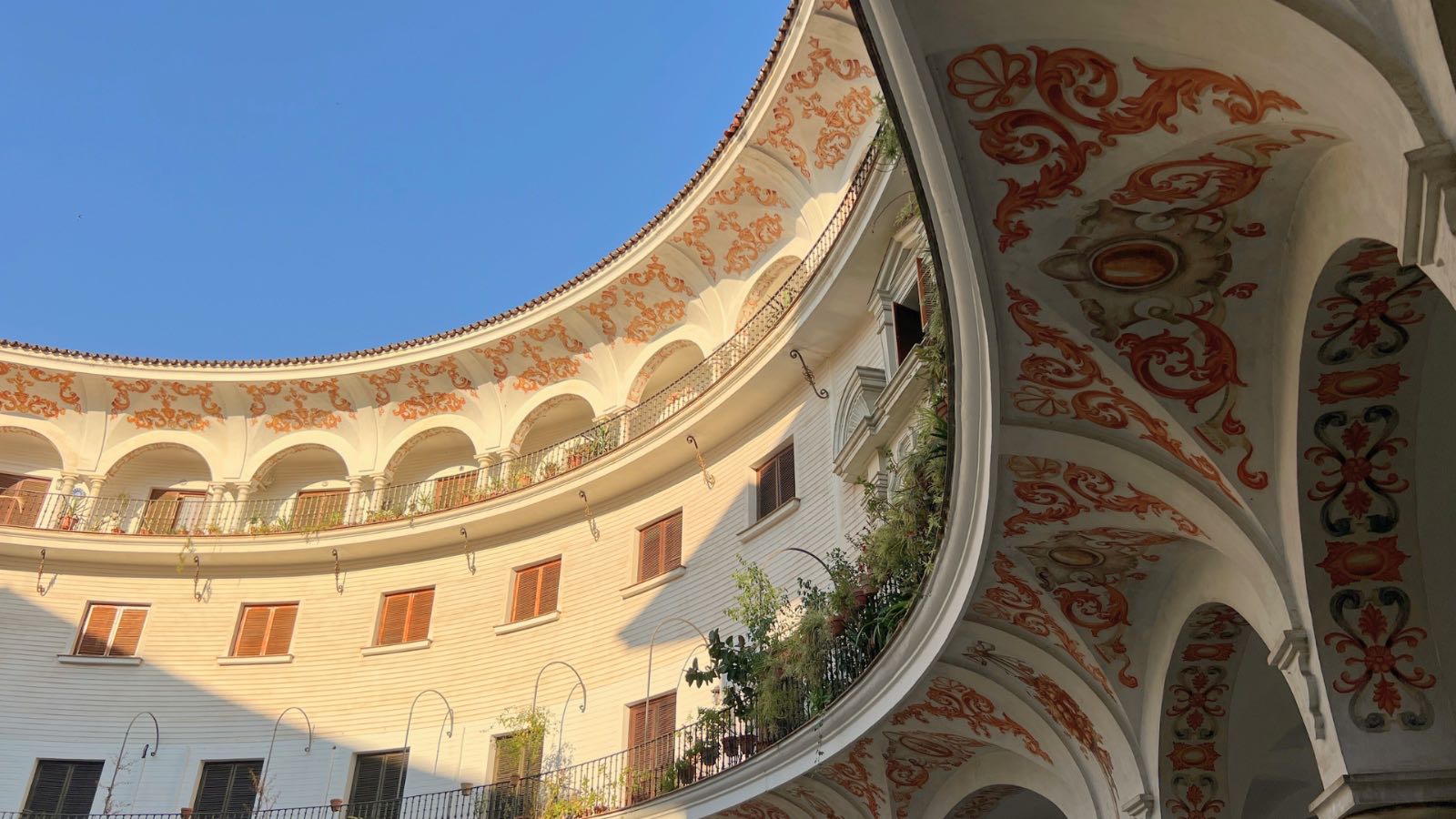
My personal favourite. October brings some of the best weather of the whole year — mild, sunny, without summer's extreme heat and without spring's crowds. The city returns to its normal rhythm after the summer holidays, restaurants and bars fill with locals again, and the afternoon light turns almost golden.
This is also a great time for longer walks and day trips in the region, since the heat has eased.
Winter (December–February)
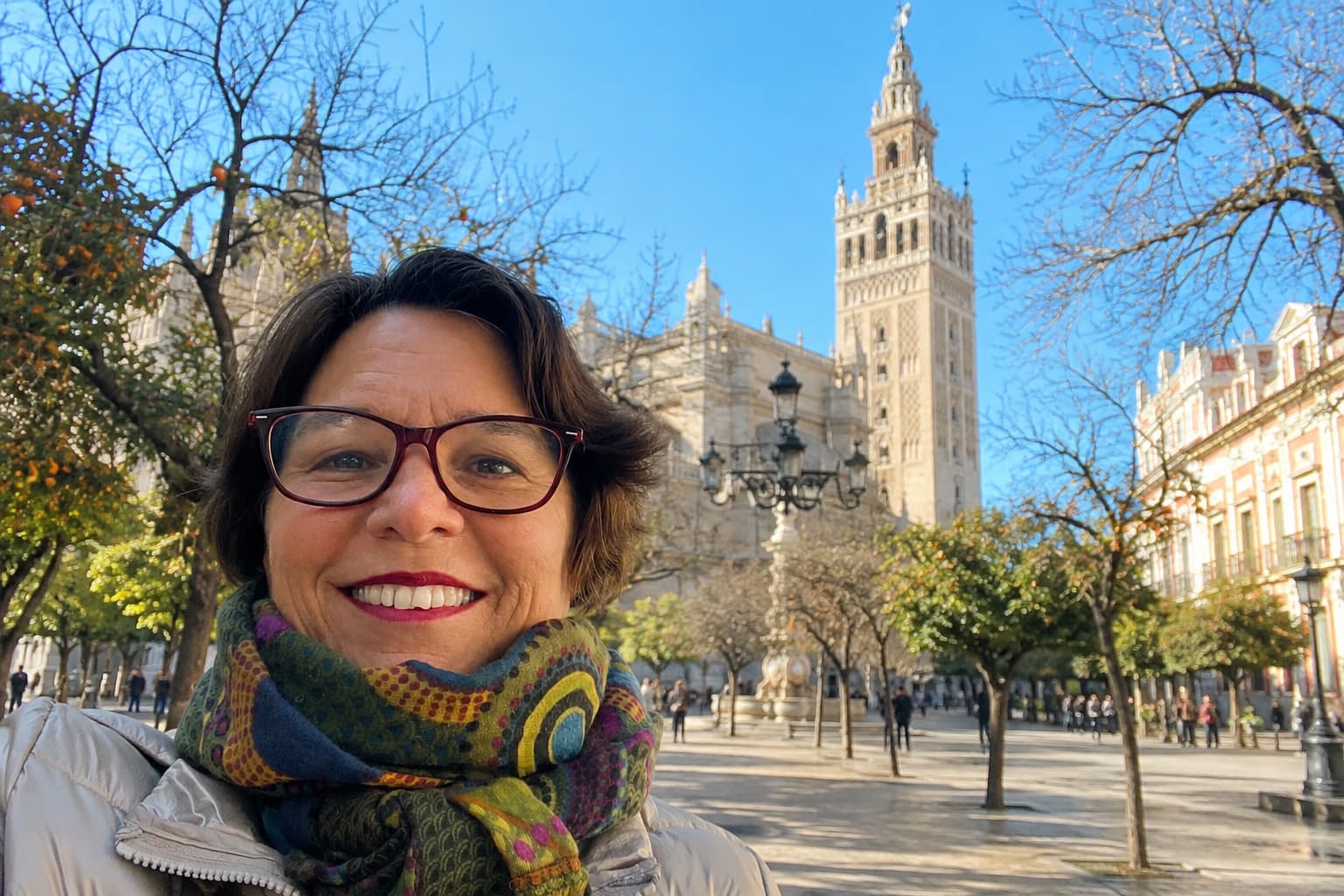
Seville winters are mild compared to Northern Europe — frost is rare, sunshine at midday is common. January and February are the cheapest months to travel, with plenty of hotel availability and short queues at the major monuments.
Christmas and New Year's have their own atmosphere, with lights and a Christmas market on Plaza Nueva, while January and February are the quietest, most relaxed months in Seville's calendar.
«If you ask me for one time: late March or early May. Then you get spring's weather and atmosphere, but without the crowds of Semana Santa.»
Frequently asked questions
March to May generally offers the best balance of weather, atmosphere and comfort. April and October have the finest weather overall.
July and August can bring temperatures above 40°C. It's fine to visit, but shift your daily rhythm: see the sights early morning and enjoy the evenings, as locals do.
January and February, with good hotel availability and low prices.