Follow me →
← All blog posts
Flamenco dancer, singers and guitarist on stage at a tablao in Seville
✦ Travel & history · Seville

Flamenco in Seville — 7 ways to see and experience it

By Gunvor · 25 August 2026 · 7 min read
7 ways

Flamenco in Seville is not one thing. It can be a ticket to a small tablao, a dinner with a performance afterwards, free dancing in the arcades of Plaza de España — or you taking a class yourself and trying the shoes on. Or me setting up a group at your own party. Here are the ways, and what each really costs you in time and money.

Contents
  1. 7 ways to experience flamenco
  2. What to book, and when
  3. A little history, briefly
  4. The three parts: song, dance, guitar
  5. Duende — the word nobody can translate
  6. Triana and the courtyards
  7. Small things worth knowing

7 ways to experience flamenco

The first two cost a ticket, the next two are free, and the last three are tours and arrangements you settle in advance.
Dancer and guitarist at a small tablao in Seville
01 Ticket · about 1 hour
Tablao — the performance only

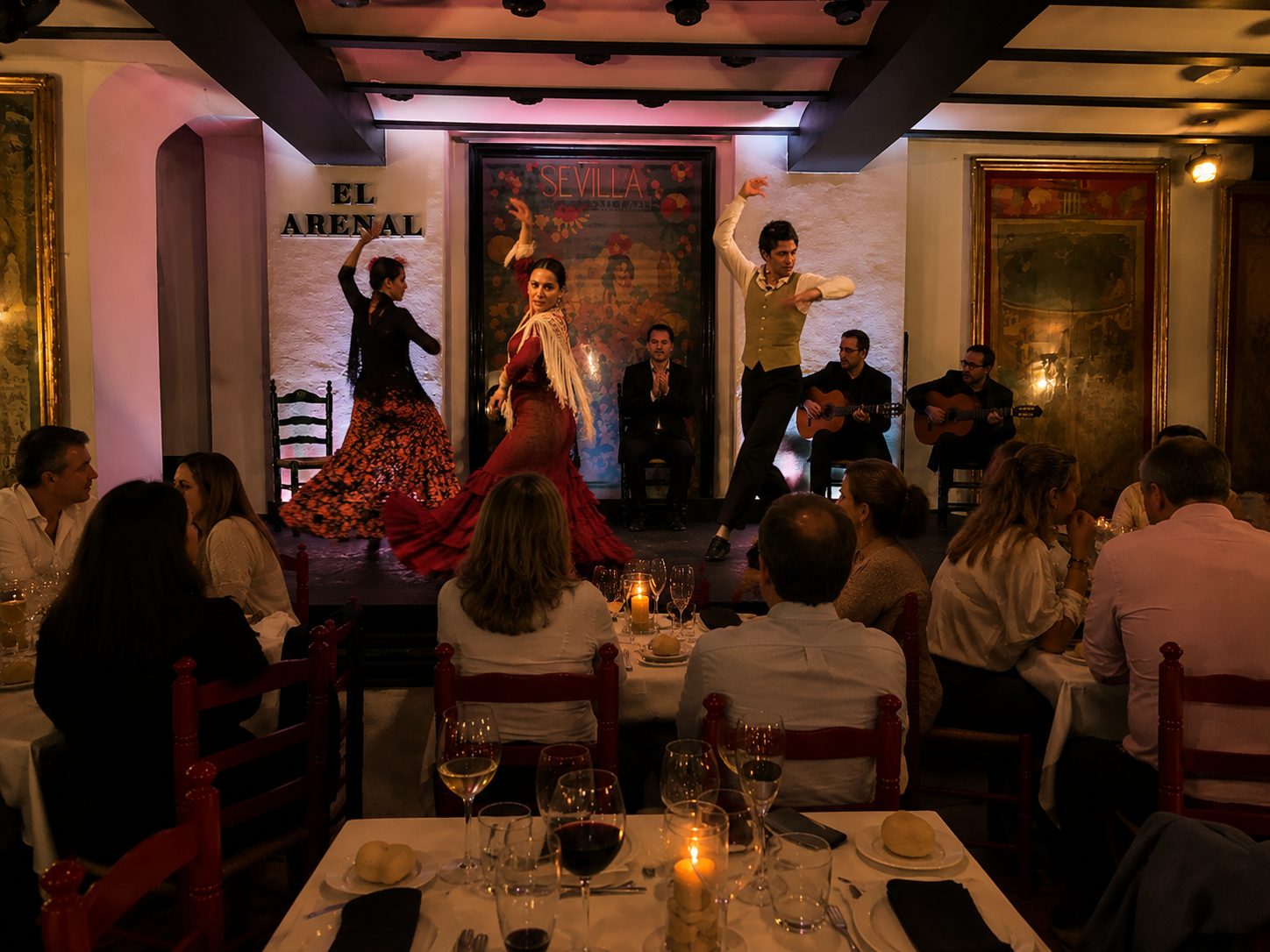
A tablao is a small room with a stage, fixed performances and professional artists. Song, dance and guitar, close up — the best rooms hold only fifty or sixty people. This is what I recommend if you have one evening in Seville.

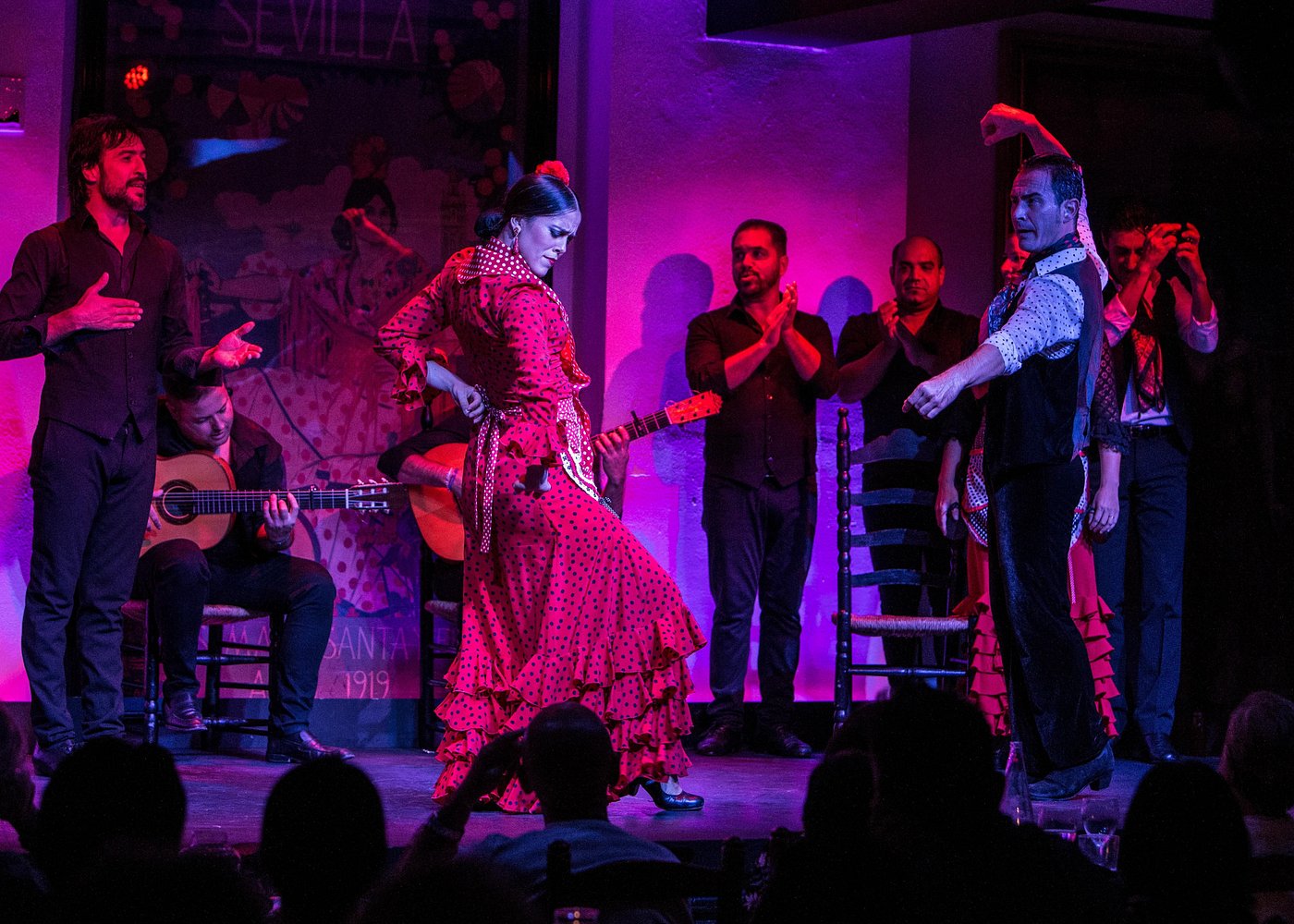
Flamenco performance at a tablao in Seville, seen from the tables during dinner
02 Ticket · 2–3 hours
Tablao with dinner or tapas

The same performance, but you eat first or while you watch. Practical if you are a group and want the whole evening in one place. One piece of advice: the food is rarely the reason to come, so choose the place for the flamenco, not for the menu.

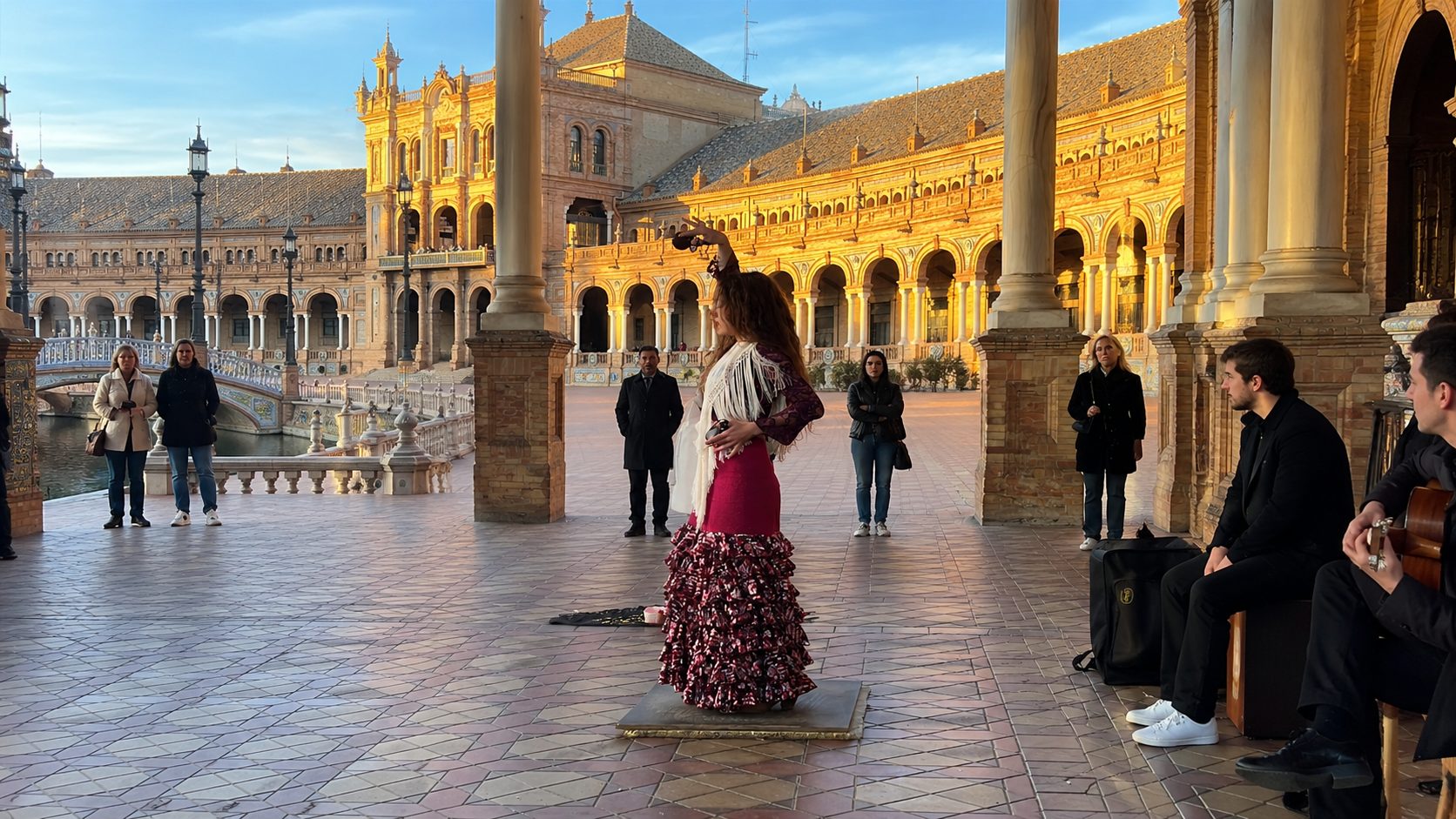
Flamenco dancer and guitarist in the arcades of Plaza de España in Seville
03 Free · any time
Plaza de España

In the arcades of Plaza de España there are often dancers and guitarists, especially in the afternoon and at weekends. The acoustics under the arches are lovely, and some of them are genuinely good. Leave a coin in the hat if you stay — that is how they live.

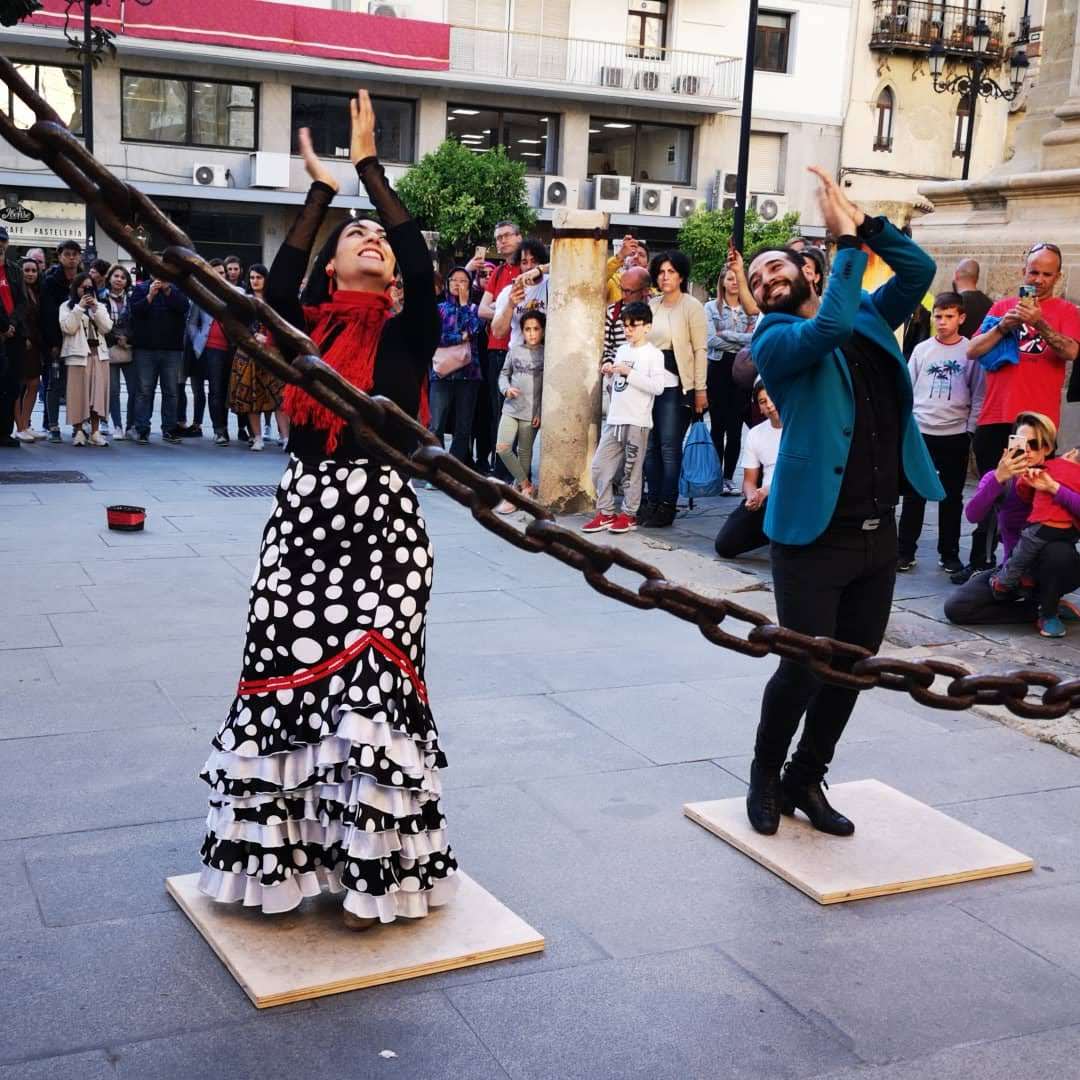
Flamenco dancers in the street in Seville, with an audience around them
04 Free · by chance
On the street and the squares

Around the cathedral, in Santa Cruz and on the Alameda, dancers and guitarists appear without warning. The quality varies enormously. But stand there on the right evening, with someone playing for themselves rather than for the cameras, and you get something no ticket can buy.

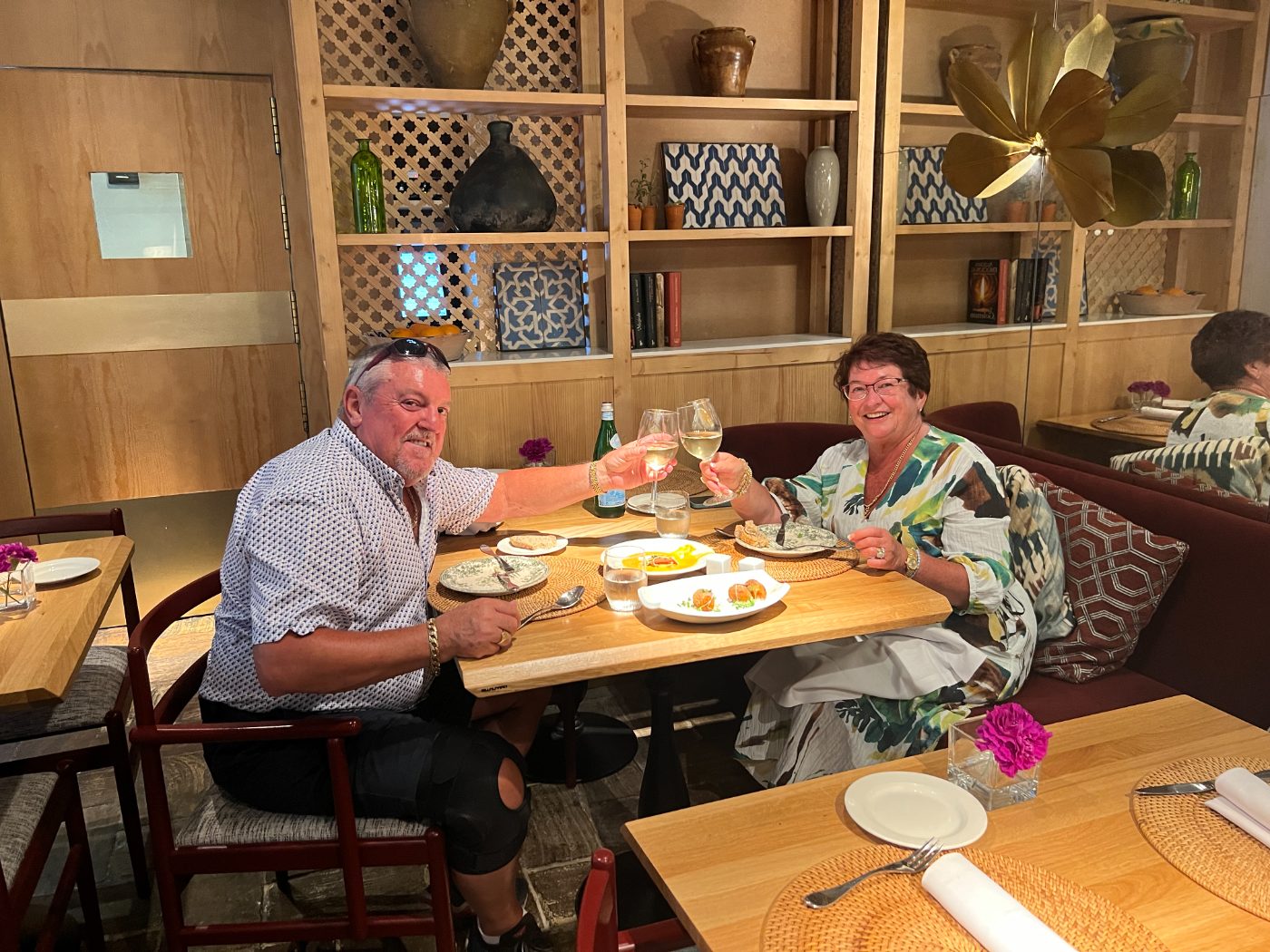
Guests raising a glass over tapas in Seville before the flamenco
05 My tour · in English or Norwegian
Tapas and flamenco with me

My own evening tour: we do the tapas round first, at places I go to myself, and end at a flamenco performance. For private parties and groups — and you are spared working out the booking, the timing and which room is worth the money. See the tour here.

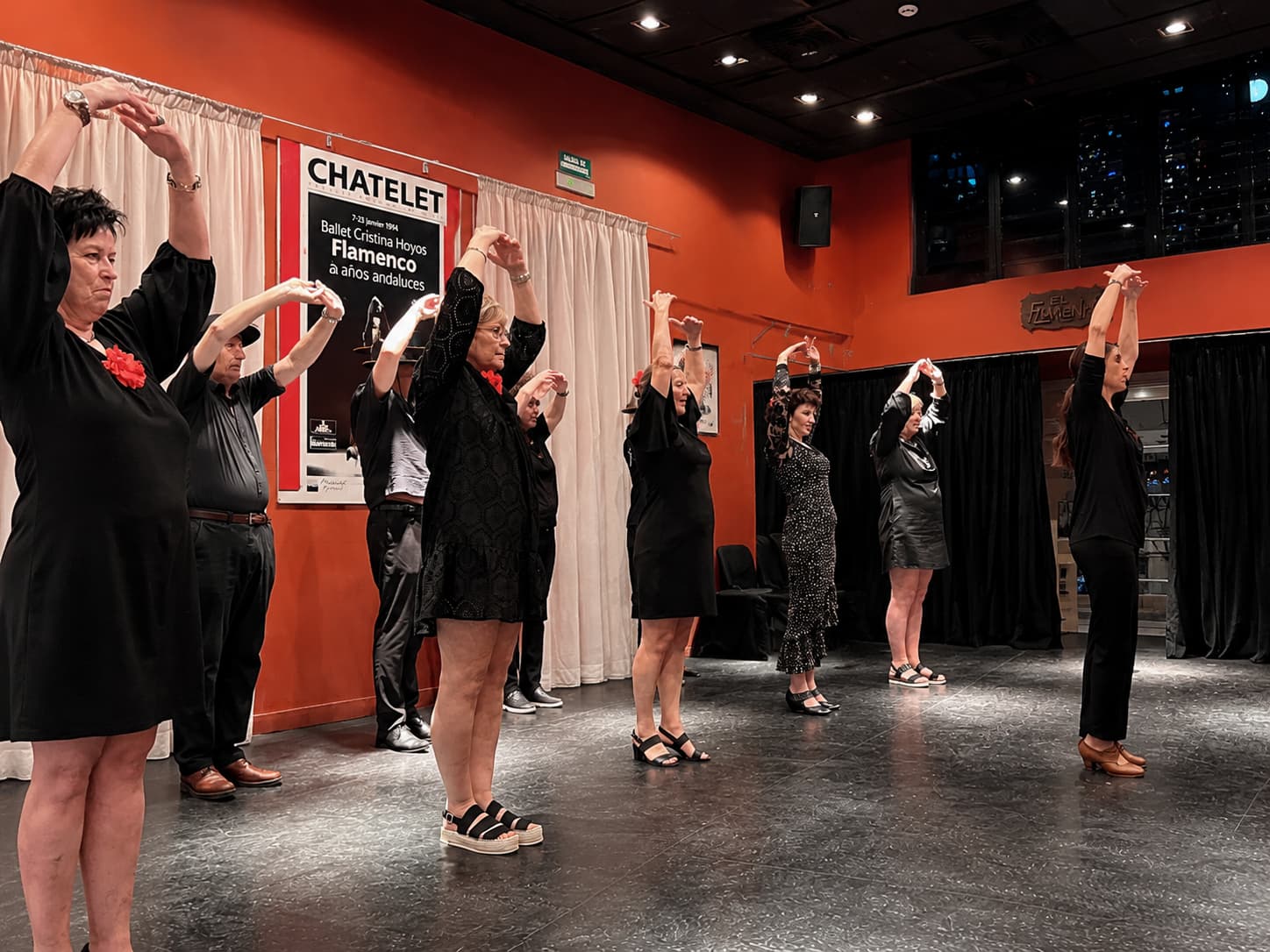
A group at a flamenco class in Seville, arms raised in the basic position
06 Class · 1–2 hours
Take a flamenco class yourself

You need no experience. An introductory class covers the basic rhythm, the posture and a few steps — and afterwards you watch a performance with completely different eyes. This is what I most often recommend to groups and to people staying a few days. The laughter lasts a long time.

Flamenco dancer, guitarist, singer and cajón at a private event in a courtyard in Seville
07 Private · by arrangement
Flamenco for your own party

This is my favourite. A dancer, guitarist, singer and cajón in a courtyard or on a terrace, for your group alone — no stage, no other guests, often only a couple of metres between you and the dancer. Lovely for weddings, company trips and big birthdays. Tell me what the occasion is and I will set it up.

What to book, and when

Tablao rooms are small and fill up, especially in spring and autumn. Book a few days ahead — a week if there are several of you. Flamenco classes should also be arranged in advance, since the groups are small.

My recommendation
Performances, dinner shows and flamenco classes

I have been through what is sold in Seville, and link to the performances and classes I would choose myself.

See performances and classes

Booked with our partner — the price is the same as booking direct.

A little history, briefly

Nobody can put a date on flamenco. It grew up in Andalucía over a long time, in the meeting between the Roma who arrived in the fifteenth century, the Moorish musical tradition already in the air, Jewish laments and Spanish folk songs. All of it mixed among people who lived outside polite society — and you can hear that.

Only in the nineteenth century did flamenco move into the cafés cantantes, cafés with a stage, and become something you could buy a ticket for. Many purists think it lost something there. Others think that is precisely why it survived.

If you want to dig deeper
Museo del Baile Flamenco

The dance museum sits in Santa Cruz, in an old house a few minutes from the cathedral, and was founded by the dancer Cristina Hoyos. It explains the different styles, with costumes and old posters — and they hold their own performances in the cellar in the evening. A good hour if you want to understand what you will be watching later that night.

In 2010 UNESCO added flamenco to its list of the intangible cultural heritage of humanity. It is a fine recognition, but here in the city it never needed a list to matter.

The three parts

Three words make the rest of the evening easier to follow:

Cante — the singing. This is the core, and the oldest part. A flamenco evening without song is not really flamenco.
Baile — the dance. What people most often come for, and the last element to enter the tradition.
Toque — the guitar. It began as accompaniment to the singing, and in time became an art of its own.

And then there is palmas — the handclapping. It looks simple. Try joining in and you quickly discover it is not. The rhythms often run in twelve beats, with accents in places foreign ears do not expect.

«Visitors clap on one and three. Sevillanos clap where the music actually sits. You hear the difference immediately.»

Duende

This is the word nobody translates properly. Duende means something like a goblin or a spirit, but in flamenco it is used for the moment when a performance stops being technique and becomes something else. The room shifts. People stop filming.

The point is that it cannot be ordered. It does not happen every night, and never because somebody decided it would. Go to flamenco five times and you might get one such evening — and you will remember it for years.

Triana and the courtyards

Triana and the Isabel II bridge in Seville

Cross the river to Triana and you are standing in one of flamenco's most important neighbourhoods. This is where the corrales de vecinos stood — tenements built around a shared courtyard, where many families shared a kitchen and a washing place. Ceramic workers, sailors, Roma families, all on top of one another.

It was in those courtyards that much of this took shape. Somebody sings, somebody claps, the neighbour comes out with a guitar. Most of the corrales are gone now, demolished or converted, but there are plaques on the walls and a couple of places where you can still see how they were. More about Triana here.

Small things worth knowing

Do not clap in the middle of a song. Wait until the artist has finished — and if you are unsure, follow the people around you.
«Olé» is not shouted as encouragement. It comes when somebody does something genuinely good, and the timing is half the point.
Put the phone away. It sounds fussy, but the screens spoil it for the performers, who are looking straight at you.
Performances start late, often at 9 pm or later. Eat tapas first, not afterwards.
Flamenco is not the same as sevillanas, the dance everybody does at the Feria. Two completely different things, and people here appreciate it when you know that.
«Flamenco is not sad, even though it often sounds that way. It is about enduring something — and that is quite a different matter.»

Frequently asked questions

Where should you see flamenco in Seville?

If you have one evening, book a small tablao. If you want the whole evening arranged, join my tapas and flamenco tour. If you would rather not pay, there are usually dancers in the arcades of Plaza de España.

Can you see flamenco for free in Seville?

Yes. Plaza de España almost always has dancers and guitarists in the arcades, and street musicians turn up around the cathedral and on the Alameda. Leave a coin in the hat if you stay to watch.

Should I choose a flamenco show with dinner?

Practical if you are a group and want the whole evening in one place. Choose the place for the flamenco, not for the menu — the food is rarely the reason to come.

Can beginners take flamenco classes?

Yes, and you need no experience. An introductory class covers the basic rhythm, the posture and a few steps. Afterwards you watch a performance with completely different eyes.

Can I have flamenco at my own event?

Yes. I arrange a dancer, guitarist, singer and cajón in a courtyard or on a terrace, for your group alone — for weddings, company trips or big birthdays. Get in touch with the date and numbers.

Do I need to book in advance?

Yes. The good rooms are small and fill up, especially in high season. Book a few days ahead.

How long does a performance last?

A normal tablao show lasts about an hour. With dinner it becomes two to three hours.

← Triana All blog posts →
tapas first, flamenco after

Join an evening tour

I take private parties and groups on a tapas round and flamenco — in English or Norwegian, at my own pace, at places I go to myself.

Send me an enquiry See my tours