
You drive through Andalucía for three hours, cross a border, and suddenly stand in a town with red post boxes, English pub names and cars driving on the right even though everything else is British. Above you a limestone rock rises 426 metres straight out of the sea, full of apes.
1. Why Gibraltar is British
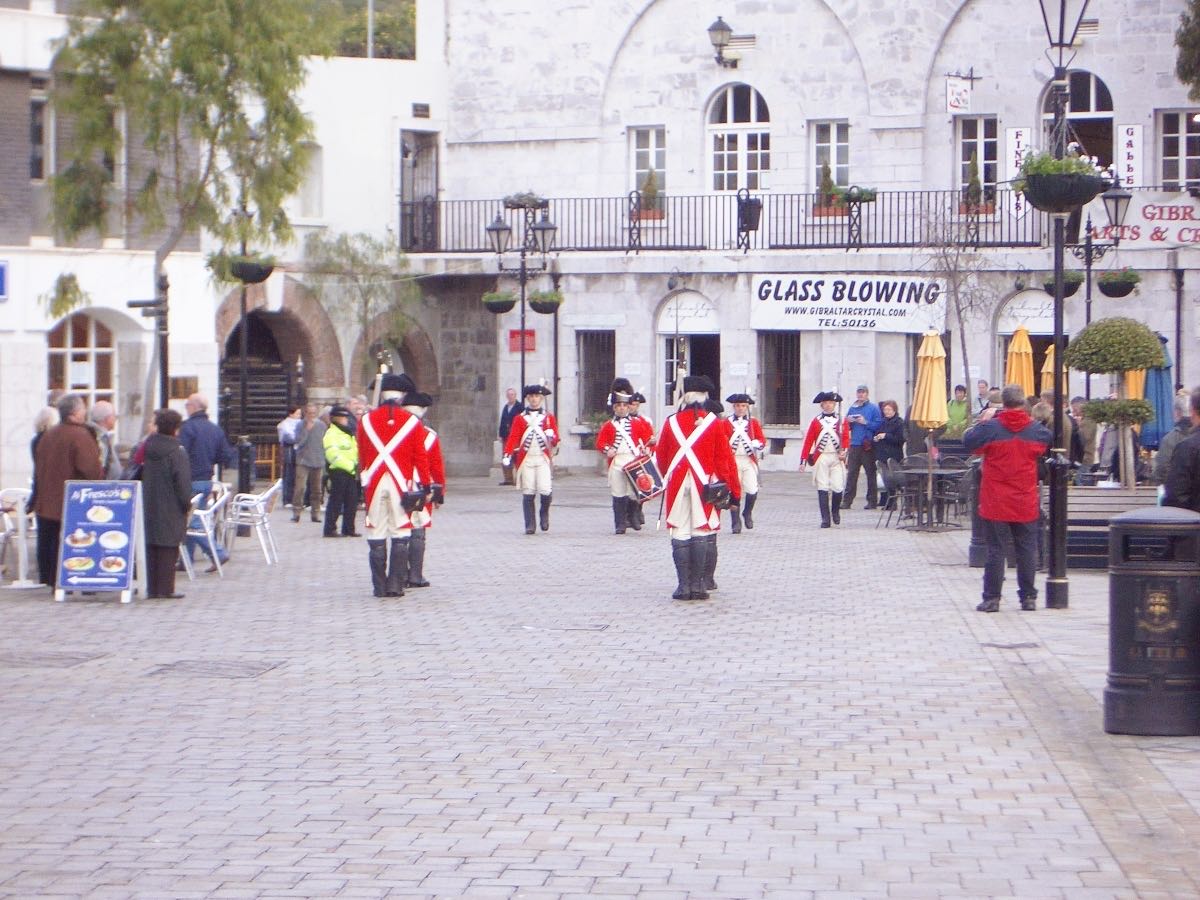
The Rock was taken by an Anglo-Dutch fleet in 1704, during the War of the Spanish Succession, and formally ceded to Britain by the Treaty of Utrecht in 1713. Spain has been asking for it back ever since.
The residents have voted twice. In 1967 it was 12,138 against 44 for continued British rule. In 2002, 98 per cent rejected shared British-Spanish sovereignty. Brexit complicated the border, since 96 per cent in Gibraltar voted to remain in the EU.
2. The Barbary macaques
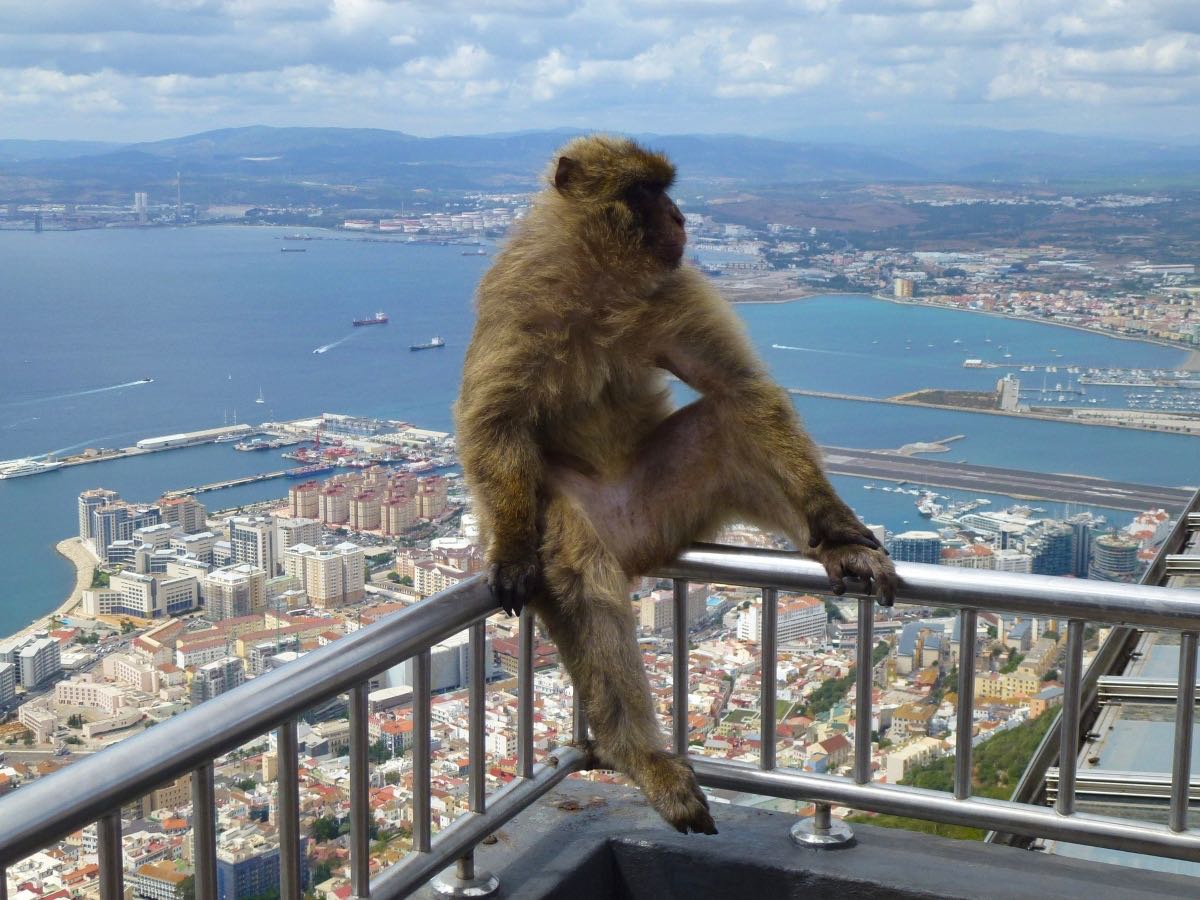
Around 300 macaques live free on the Rock — the only wild monkey population in Europe. They are most likely there because the Moors or the British brought them from North Africa.
Legend says Gibraltar stays British as long as the apes remain. During the Second World War the population fell to seven animals, and Churchill ordered more to be brought in from Morocco.
Do not feed them and do not take out food. There are fines for it, and the apes steal bags.
3. St Michael’s Cave
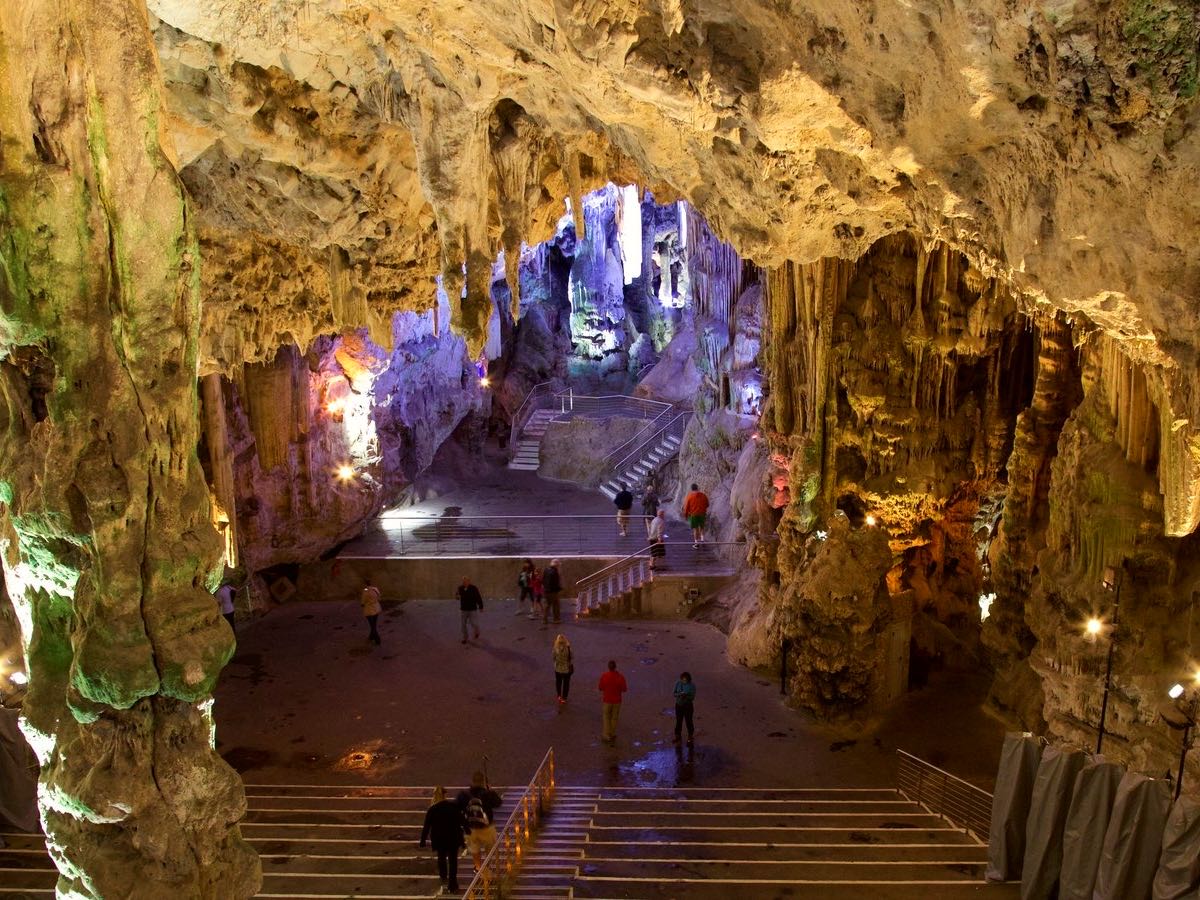
A large limestone cave inside the Rock, with stalactites and a natural amphitheatre now used for concerts. The Romans believed it was bottomless and led to the underworld.
During the war it was prepared as an emergency hospital, but never used.
4. The tunnels
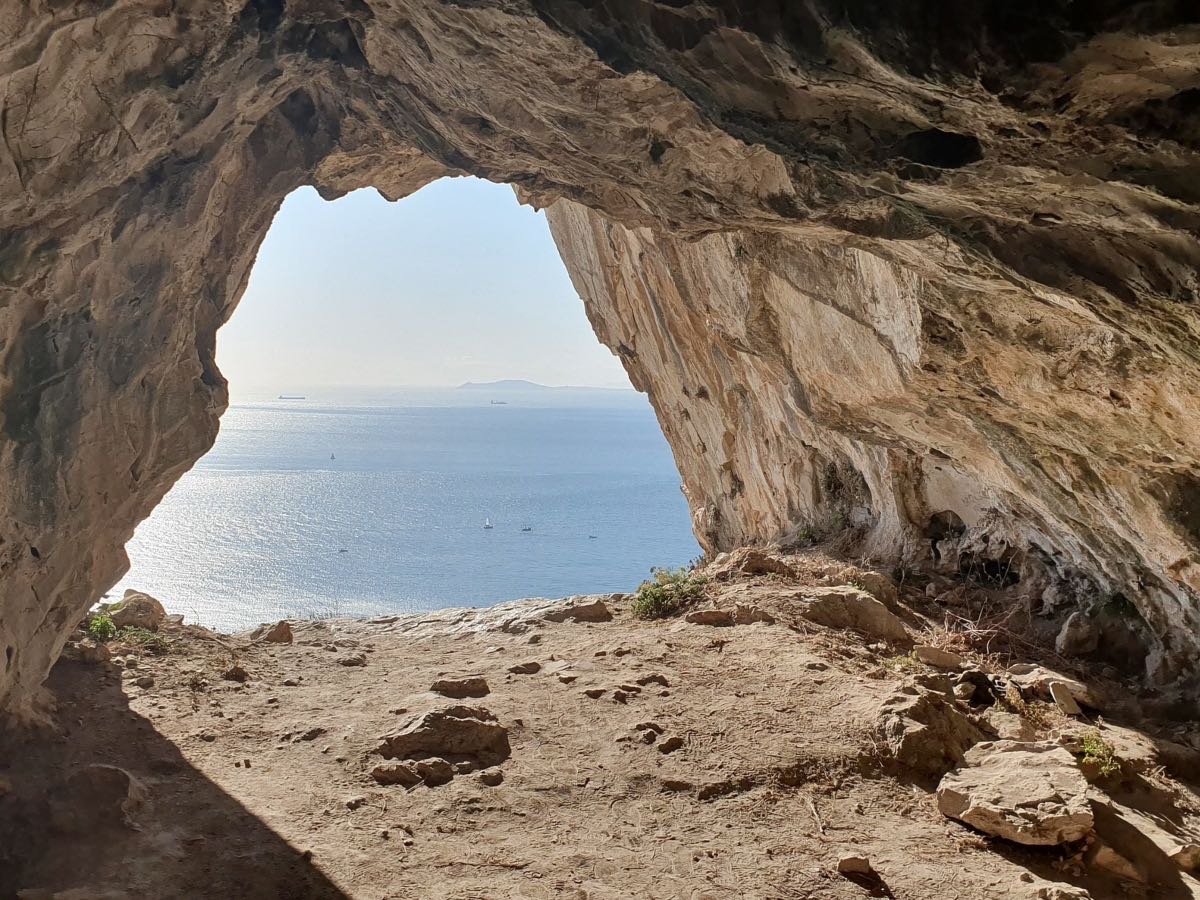
Beneath the Rock lie over 50 kilometres of tunnel — more road inside than outside. The oldest were blasted out during the Great Siege of 1779–83, the rest during the Second World War when Gibraltar was the staging point for the North African landings.
Parts of both systems are open to visitors.
5. Europa Point
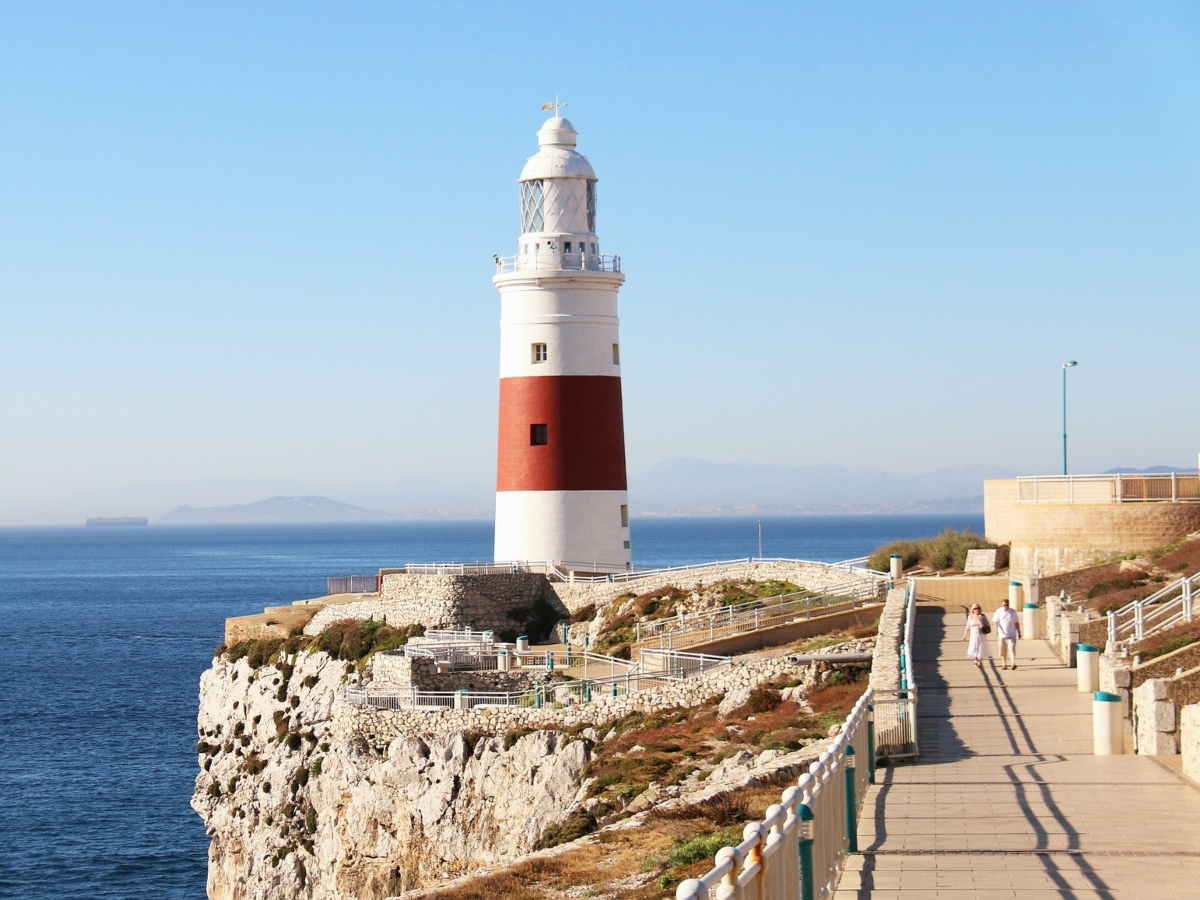
The southern tip of the Rock. From here it is fourteen kilometres across to Morocco, and on clear days you see the Rif mountains plainly. A lighthouse, a mosque and a Catholic chapel stand within a hundred metres of each other.
6. Main Street
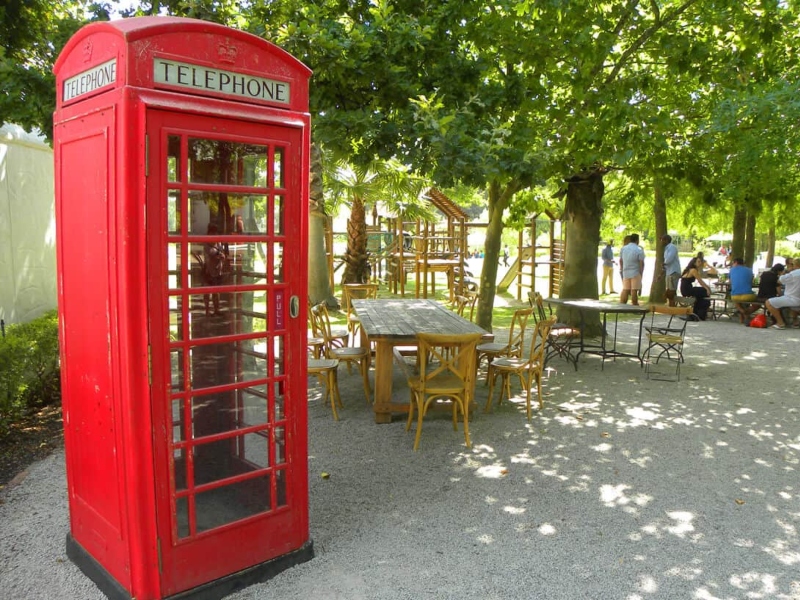
The shopping street through the centre. Gibraltar is duty-free, so British and Spanish visitors come for perfume, alcohol and tobacco. The currency is the Gibraltar pound, but euros are accepted most places — at a poor rate.
7. The border — what you need to know
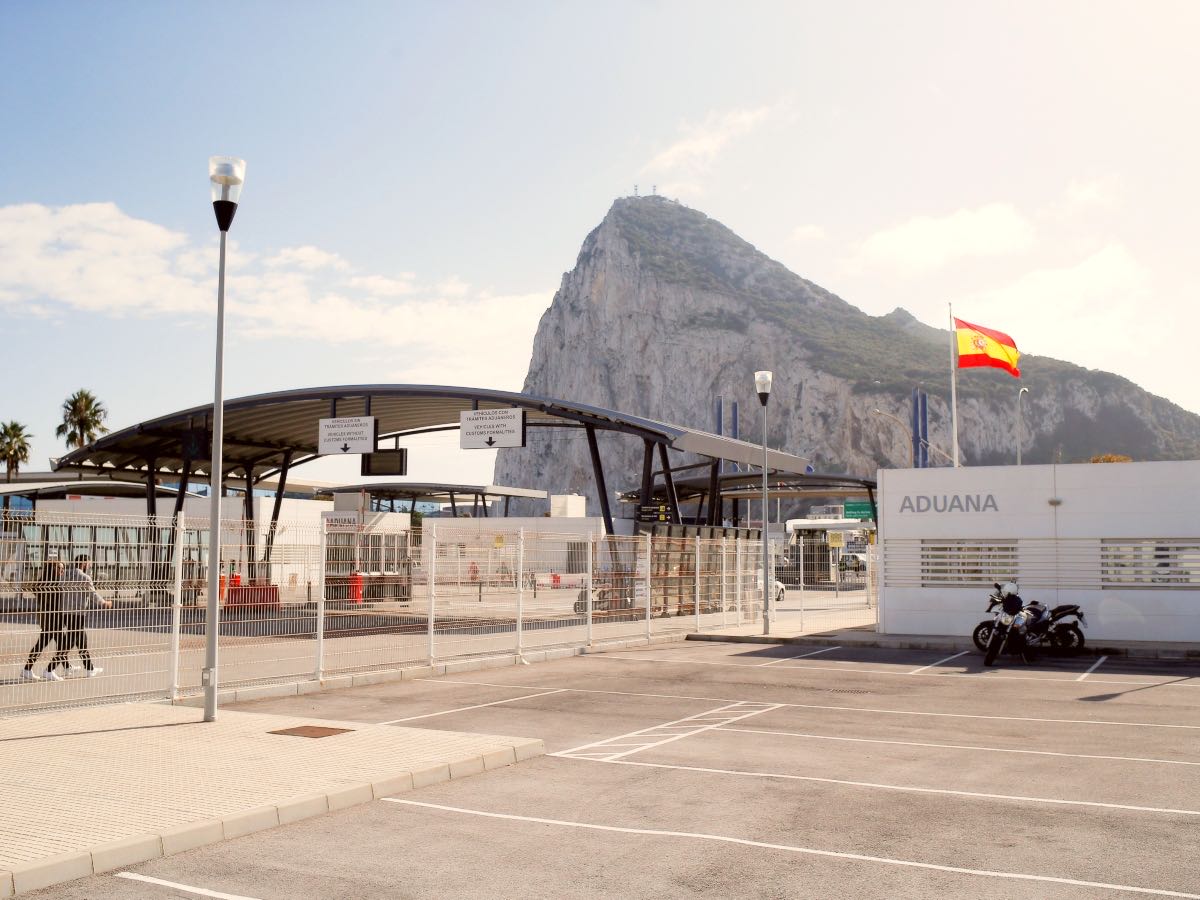
You need a passport. A national ID card works for EU citizens, but a passport is safest.
The border can have long queues, especially in the afternoon. An organised tour usually crosses on foot and uses a minibus inside Gibraltar. The airport runway crosses the road into town, so traffic stops every time a plane lands.
«From the top you see two continents and two seas at once. There are not many places like that.»
Getting there on your own
This is the hardest of the day trips to do yourself, and the reason is that there is no direct transport from Seville.
By coach you have to reach La Línea de la Concepción, the Spanish town right at the border. Comes and Damas run there, but most departures go via Algeciras and the journey takes between four and five hours each way. That leaves you too little time on the Rock for the day to make sense.
By car it is three hours on the A-381 and A-7. Do not drive into Gibraltar — the queue at the border can take over an hour each way, and parking inside is both expensive and full. Park in La Línea and cross the border on foot. It takes five minutes when it is quiet.
The border, and getting up the Rock
You need a passport. Gibraltar is outside Schengen, and a national ID card is not enough for everyone — bring the document itself, not a copy or a photo on your phone.
From the border you cross the airport runway on foot, and it is one of the strangest experiences of the whole trip. Traffic is stopped every time a plane lands.
There are three ways up the Rock: the cable car from Grand Parade, which takes six minutes; a taxi tour with a driver who stops at the sights; or on foot up the Mediterranean Steps, which takes an hour and a half and is steep. The nature reserve has its own ticket, and it covers the apes, the cave and the tunnels.
What to expect
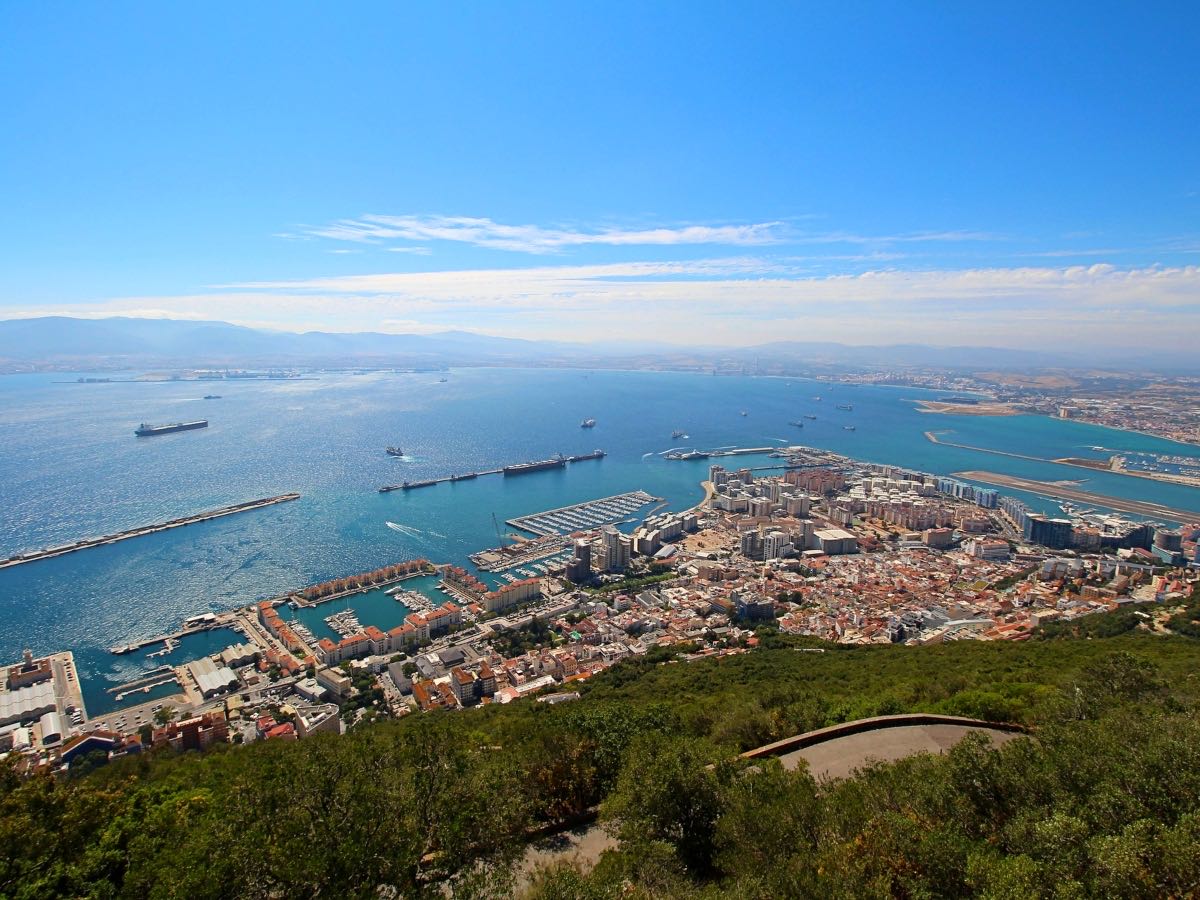
Gibraltar is small. Six and a half square kilometres, with around thirty-five thousand people squeezed between the Rock and the sea. You walk everywhere in the centre.
It is British in a way that surprises: fish and chips, Marks & Spencer, police officers in British uniforms, and pounds at the till. At the same time people speak Spanish to each other, and many live in Spain and cross the border to work every day. It is a place that is not quite either.
The different areas
- Main Street — the shopping street through the centre, duty-free. Perfume, alcohol, tobacco and electronics.
- Casemates Square — the square just inside the town wall, where the pubs and outdoor tables are.
- The nature reserve on top — the apes, St Michael’s Cave, the tunnels and the viewing platform.
- Europa Point — the southern tip, with the lighthouse, the mosque and the view to Morocco.
- Catalan Bay — a small fishing village on the east side, quiet and little visited.
Food and shopping
Gibraltar has no food market, and it is not a place you travel to for the food. But there is something you only get here: calentita, a flat cake of chickpea flour that is the national dish, and rosto, a pasta dish with tomato and meat that came with the Genoese immigrants.
Otherwise it is British pub food in the centre and better fish at Catalan Bay. Shopping is the main reason many Spaniards come — duty-free means noticeably lower prices on spirits and tobacco, with limits on what you can take back.
Mistakes people make
- Forgetting the passport. Without it you do not cross the border, and the trip is wasted.
- Driving into Gibraltar. Border queues and full car parks. Park in La Línea and walk.
- Feeding the apes. There are fines for it, and they bite. They also steal bags and phones.
- Paying in euros. The rate the shops use is poor. Pay by card.
- Coming on a day with low cloud. The top sits in fog and the whole view is gone. Check the weather.
- Crossing the border late in the afternoon. The queue out is worst between four and seven.
- Distance from Seville: about 200 km, 2 h 45 min each way
- How long: A full day, 12–13 hours on an organised tour
- Passport: Required. Bring the document, not a copy
- Currency: Gibraltar pound. Euros accepted, but at a poor rate
- Language: English is official. Most people also speak Spanish
- Best season: Spring and autumn. The Rock can sit in low cloud in winter, and then the view is gone
Gibraltar involves a border crossing and knowing how to get up onto the Rock. Our partner runs a day trip from Seville that includes transport and the tour up to the apes, the cave and the tunnels.
See dates and pricesFrequently asked questions
Yes. Gibraltar is outside Schengen, so you need your passport with you even travelling from Spain.
Around 2 hours and 45 minutes each way. An organised day trip takes 12 to 13 hours in total.
Around 300 Barbary macaques live free on the Rock, most likely brought from North Africa by the Moors or the British. It is the only wild monkey population in Europe.
Yes. From Europa Point it is fourteen kilometres across to Morocco, and on clear days the Rif mountains are plainly visible.