
Parque de María Luisa is Seville's green lung — a vast park with palm trees, ceramic fountains and shade from hundred-year-old trees. But the park is also a living memory of one of the most ambitious events in the city's modern history: the Ibero-American Exposition of 1929.
From private garden to public park
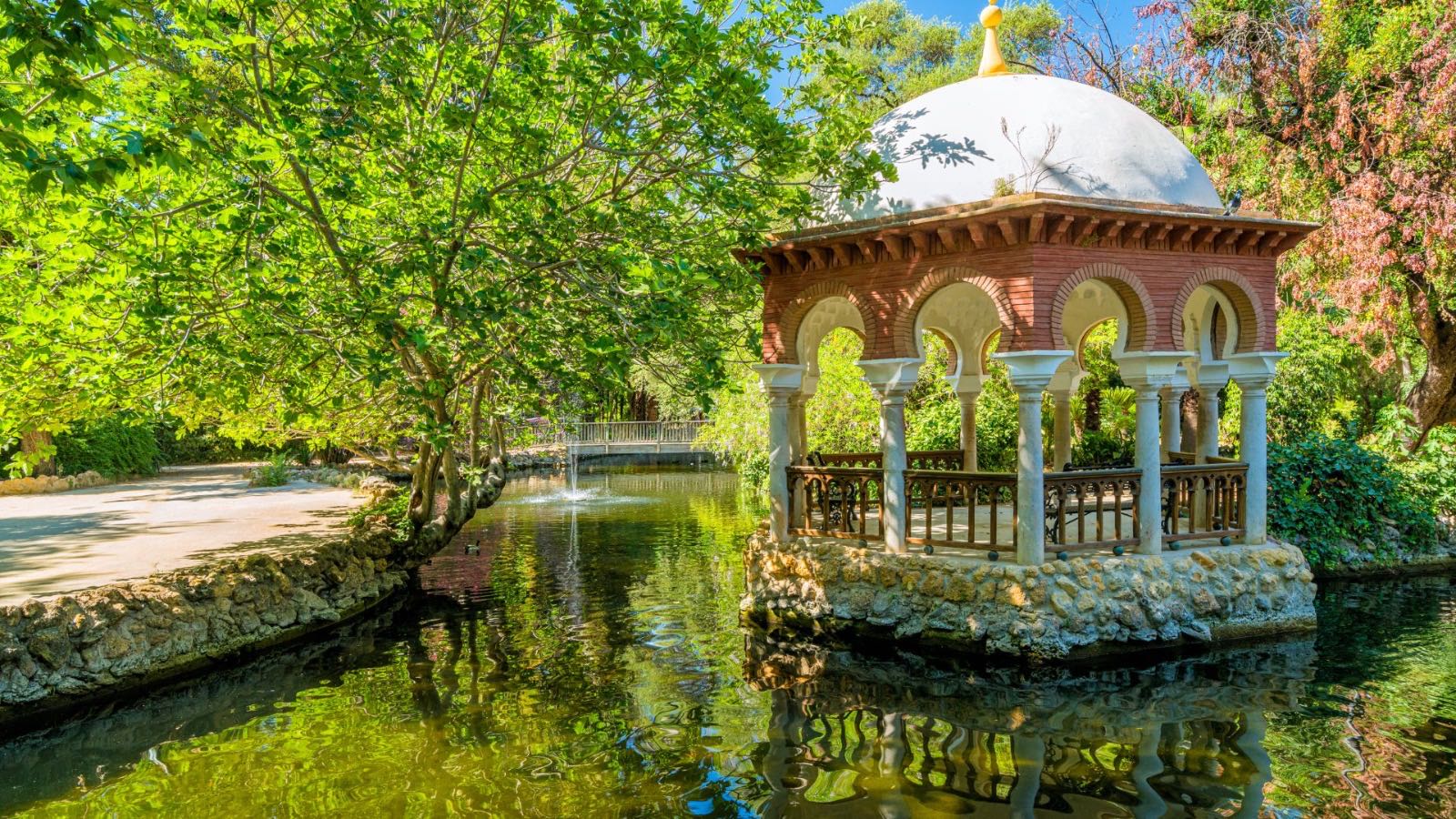
The park bears the name of María Luisa Fernanda de Borbón, Duchess of Montpensier, who gave her private garden to the city of Seville in 1893. What was once a private estate tied to the Palacio de San Telmo was transformed into what would become one of the most beautiful public parks in Spain.
The French landscape architect Jean-Claude Nicolas Forestier was commissioned to design the park in the early 1900s, drawing clear inspiration from Moorish and Andalusian garden traditions — reflecting pools, ceramics, citrus trees and shaded promenades.
«It always feels a little surreal walking from the bustling Plaza de España straight into the park's shade and stillness — like moving between rooms in the same house.»
The 1929 world fair
In 1929, María Luisa Park was the heart of the Ibero-American Exposition — a grand event where Spain wanted to show the world its connection with the Latin American countries. Over 114 buildings were erected in and around the park, many representing individual countries or Spanish regions, each with its own architectural style.
Plaza de España, right next to the park, was built as Spain's own pavilion for this very fair — the most famous of all the 1929 buildings, but far from the only one.
«Walking through María Luisa Park is like walking through an open-air museum. Every pavilion tells a story of a country, a collaboration, a dream of unity.»
The pavilions still standing
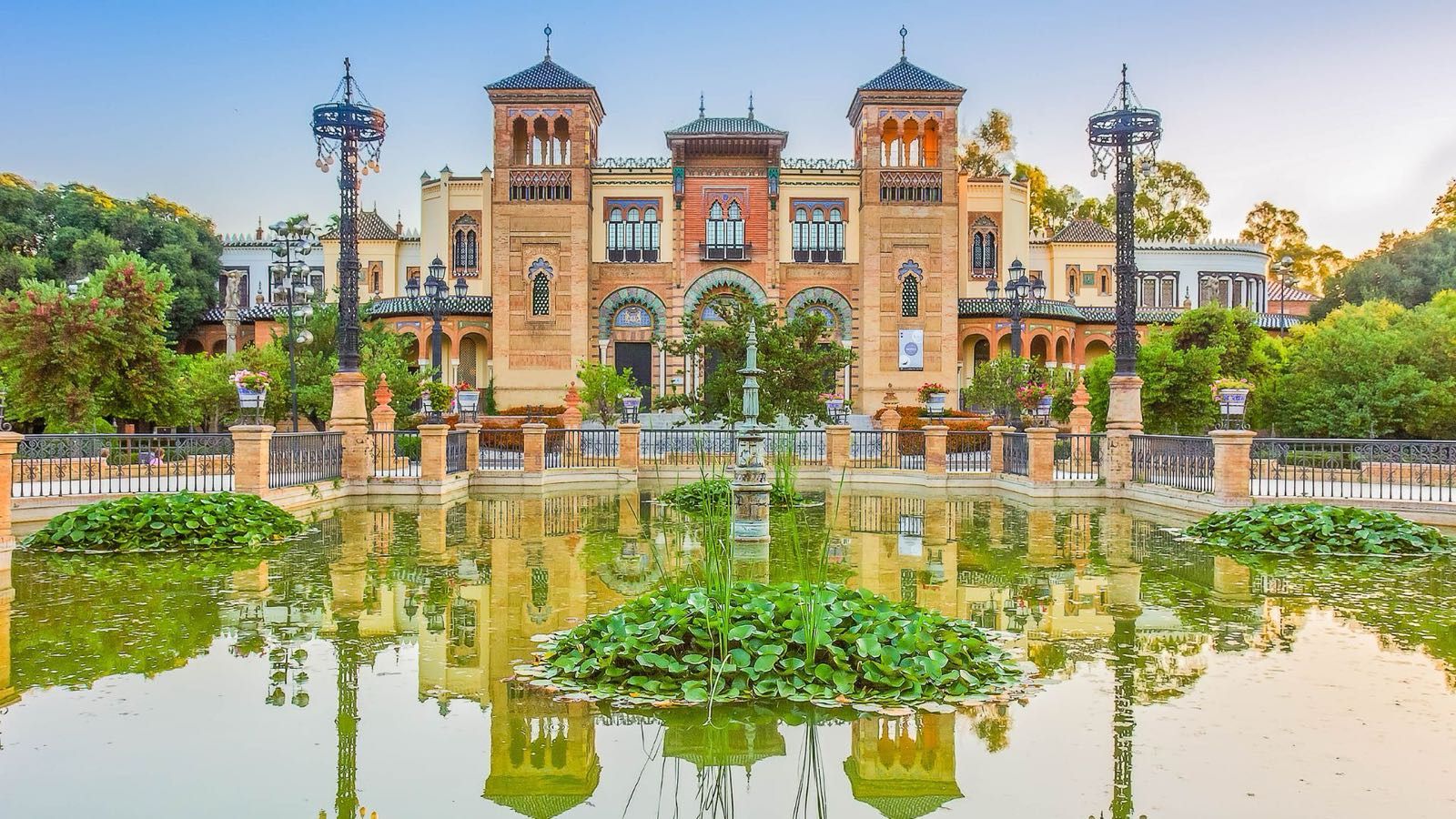
Many of the 1929 country pavilions still stand, scattered around the park, and today are used for other purposes — as consulates, schools and cultural institutions. The Peruvian, Argentine and Chilean pavilions are among the most beautiful, each with distinct national architectural traits.
Inside the park you'll also find Plaza de América, with three buildings from the fair: Museo Arqueológico, Museo de Artes y Costumbres Populares, and Pabellón Real — each a testament to the ambitions of 1929.
The park today
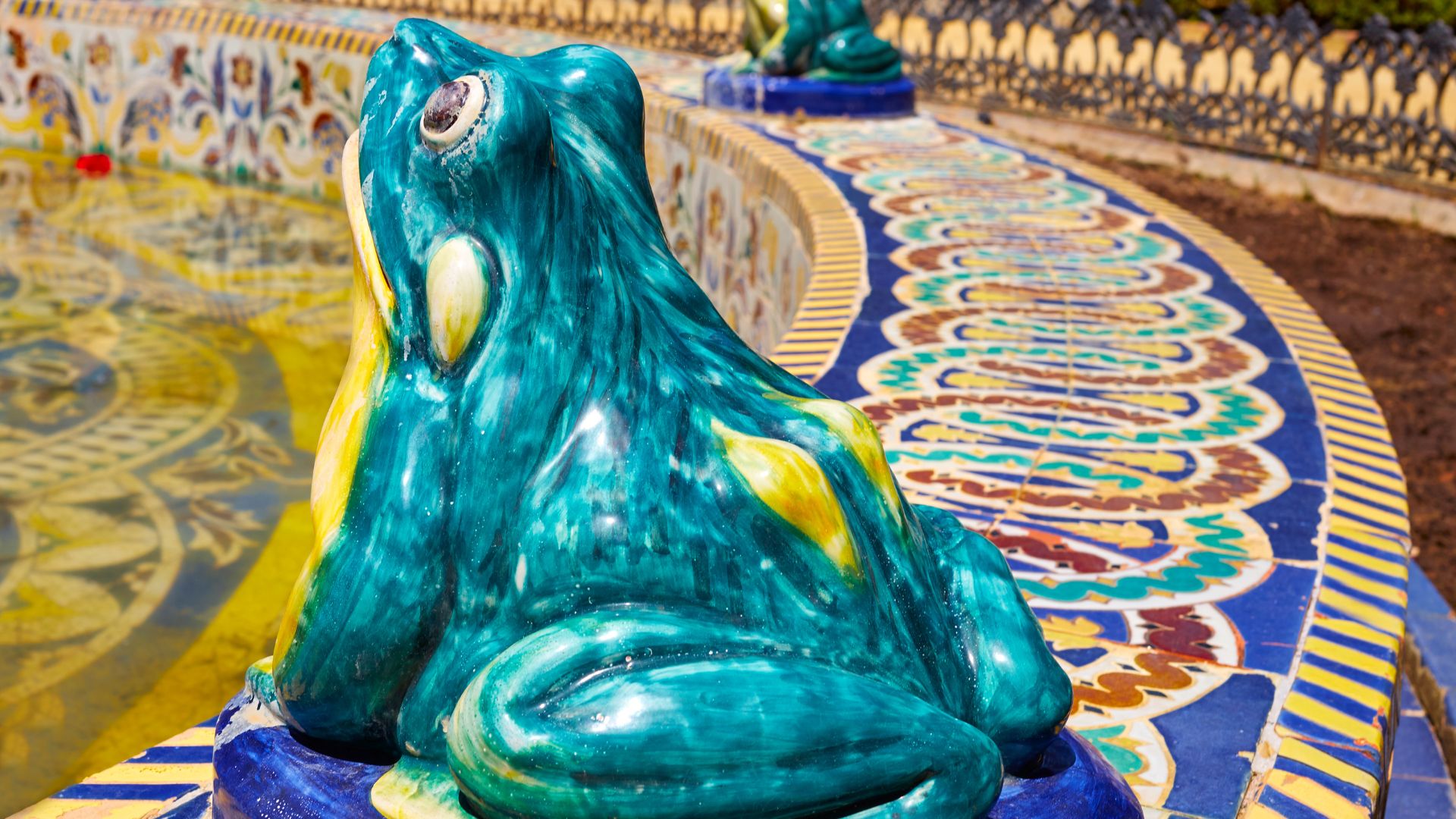
Today, María Luisa Park is first and foremost a place Sevillians themselves use — for a run, a family picnic, or a quiet walk in the shade on a hot day. Horse-drawn carriages and bike taxis take visitors through the broad avenues, past fountains and ponds with swans. It's one of the few places in Seville where history doesn't feel like something you visit, but something you simply walk through, as part of an entirely ordinary day.
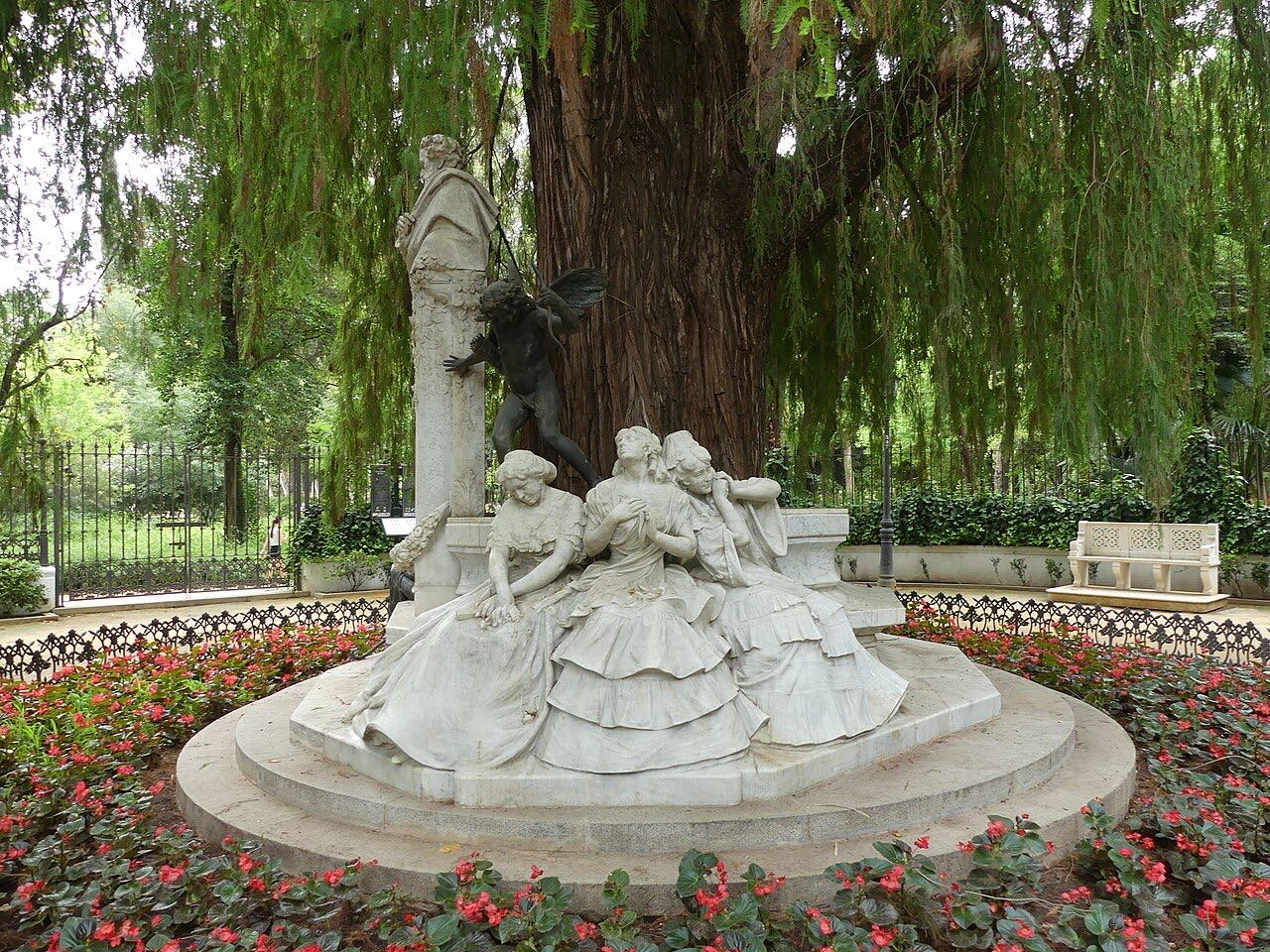
- Given to the city of Seville in 1893 by the Duchess of Montpensier
- Designed by the French landscape architect Jean-Claude Nicolas Forestier
- Centre of the 1929 Ibero-American Exposition
- Plaza de España sits right beside it and was Spain's own pavilion in 1929
- Several country pavilions from 1929 still stand, used as museums and institutions
- Free and open to everyone, year-round
Frequently asked questions
It's named after the Duchess of Montpensier, María Luisa Fernanda de Borbón, who gave her private garden to the city of Seville in 1893.
A major international fair held in Seville to strengthen ties between Spain and the Latin American countries, with over 114 buildings erected for the occasion.
Yes, the park is completely free and open to everyone year-round.