
After a long, hot summer, Seville starts to breathe out again. Some call September and October the city's second spring. I've lived here for over thirty years, and this period is still my favourite — it's when everyone wants to go to concerts, eat tapas, and, not least, I can bring out my bicycle again without getting roasted at 45ºC at every traffic light.
- Summer lets go, and Sevillians come home
- Bienal de Flamenco
- The view from the Cathedral roof
- Formula 1 in Jerez
- Candlelight Concerts
- On foot — and by bike
- Plaza del Museo on a Sunday
- Palacio de las Dueñas
- Tapas out on the terrace
- Along the Guadalquivir and into Triana
- Museo de Cerámica de Triana
- A walk through the market
- A theatrical night visit to the Alcázar
- The golden light
- Day trips out of Seville
1. Summer lets go, and Sevillians come home
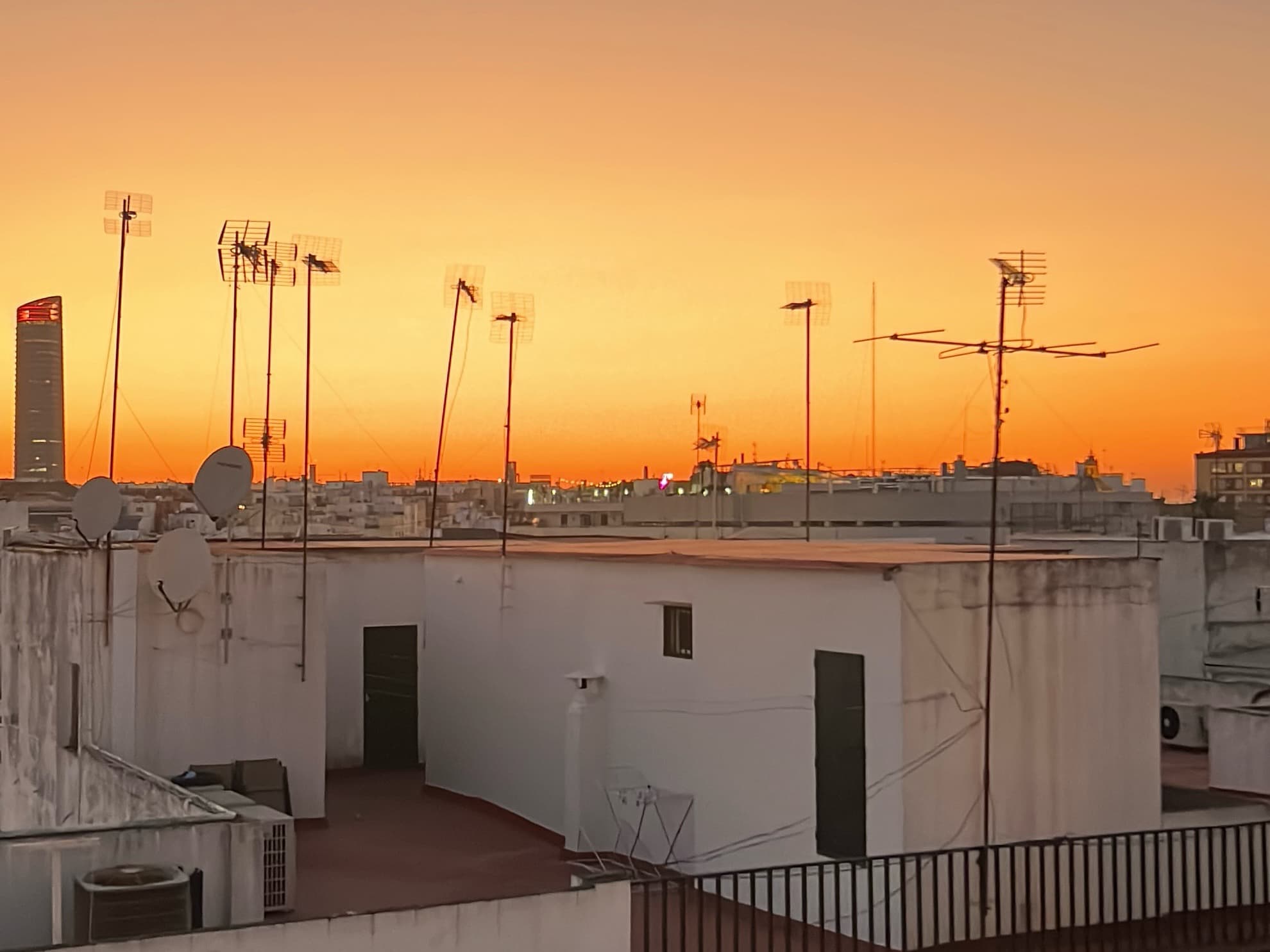
July and August are the months Seville holds its breath. Temperatures often pass 40 degrees, and the city rearranges its entire rhythm around it: the streets empty out in the middle of the day, shutters close, and life moves to the evening and night.
From mid-September it starts to ease. It doesn't happen overnight — it's still warm well into September — but gradually the air becomes easier to be in, and by October it feels like getting the city back.
August is the month Sevillians themselves go away. Many close up shop, take the family to the coast, and leave the city to the tourists. It gives Seville a slightly quiet, unreal feel in summer.
Then, in early September, everyone comes home at once. The terraces fill up again, restaurants get their regulars back, and the squares fill with the pulsing sound of people talking, eating and staying out late — the same feeling that made me fall in love with this city in the first place.
Good to know: September and October are actually high season in Seville, not low season. It's precisely when the weather turns pleasant that most people choose to come. Book tickets to the Alcázar, the Cathedral and other monuments well in advance — they often sell out for the day if you wait until you arrive.
2. Bienal de Flamenco

Every other year, in even years, Seville hosts the Bienal de Flamenco — one of the three most important flamenco festivals in the world. In 2026 it runs from September 9 to October 3, with over seventy performances across eleven venues around the city, among them Teatro Lope de Vega, Teatro de la Maestranza, the Real Alcázar and Teatro Central.
The festival was founded in 1980 and has since grown into the reference point for flamenco internationally, with both major established names and entirely new productions on the programme every year.
If you're visiting in a year without the Bienal, flamenco is still very much alive in the city's culture, with strong traditions especially in Triana. I recommend choosing a venue focused on the art itself rather than a big, commercial dinner package — a smaller show is often a far more intense experience. We offer our own tapas dinner with a flamenco show in a small tablao.
3. The view from the Cathedral roof
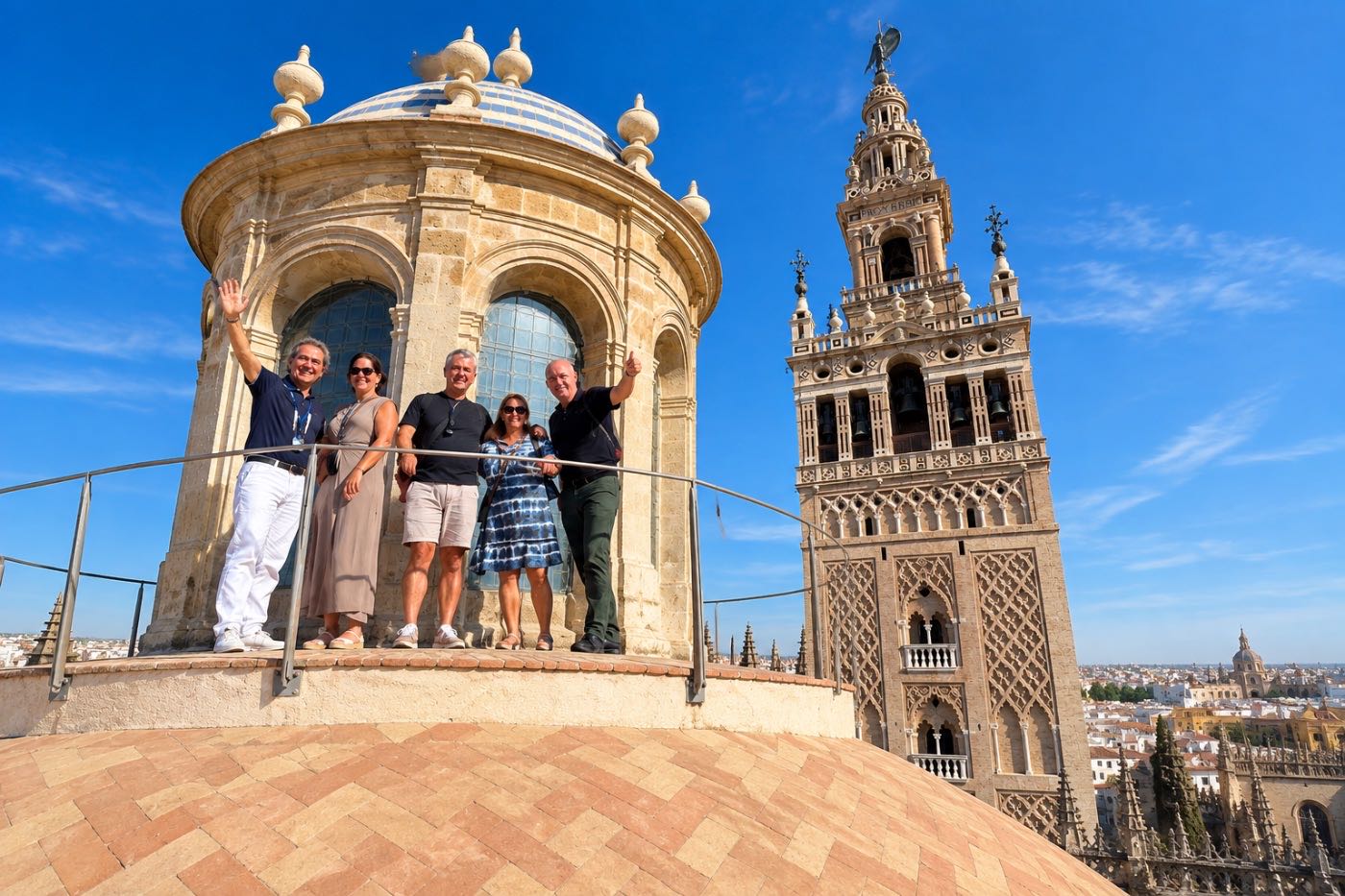
When autumn arrives, the Cathedral starts running its impressive rooftop tour again — "Cubiertas". You'll learn how the church was built, and enjoy a fantastic view over beautiful Seville from up on the roof, with the Giralda and the city's rooftops in every direction.
You book "Cubiertas" tickets on the Cathedral's own website, catedraldesevilla.es, under guided tours. The number of visitors per group is limited, and the tours often sell out, so book well ahead of your visit.
4. Formula 1 in Jerez
Jerez de la Frontera, a little over an hour's drive from Seville, has a long history with Formula 1. The circuit opened in 1985 and hosted the Spanish Grand Prix from 1986 to 1990 — it was here Ayrton Senna won his famous victory by just 14 thousandths of a second over Nigel Mansell in 1986. The track later returned to the calendar as the European Grand Prix in 1994 and 1997; the latter is remembered as one of F1's most dramatic title showdowns, when Michael Schumacher collided with Jacques Villeneuve in the fight for the championship.
Today there's no fixed Formula 1 race in Jerez anymore. The circuit is used for MotoGP — the Spanish motorcycle Grand Prix, normally held in spring — and for private test days that some F1 teams occasionally book, with no fixed date on the calendar. If you want to know whether anything is happening there during your visit, it's worth checking the circuit's own calendar. Heading to Jerez anyway? You can combine it with a day trip to a sherry bodega and Cádiz.
5. Candlelight Concerts
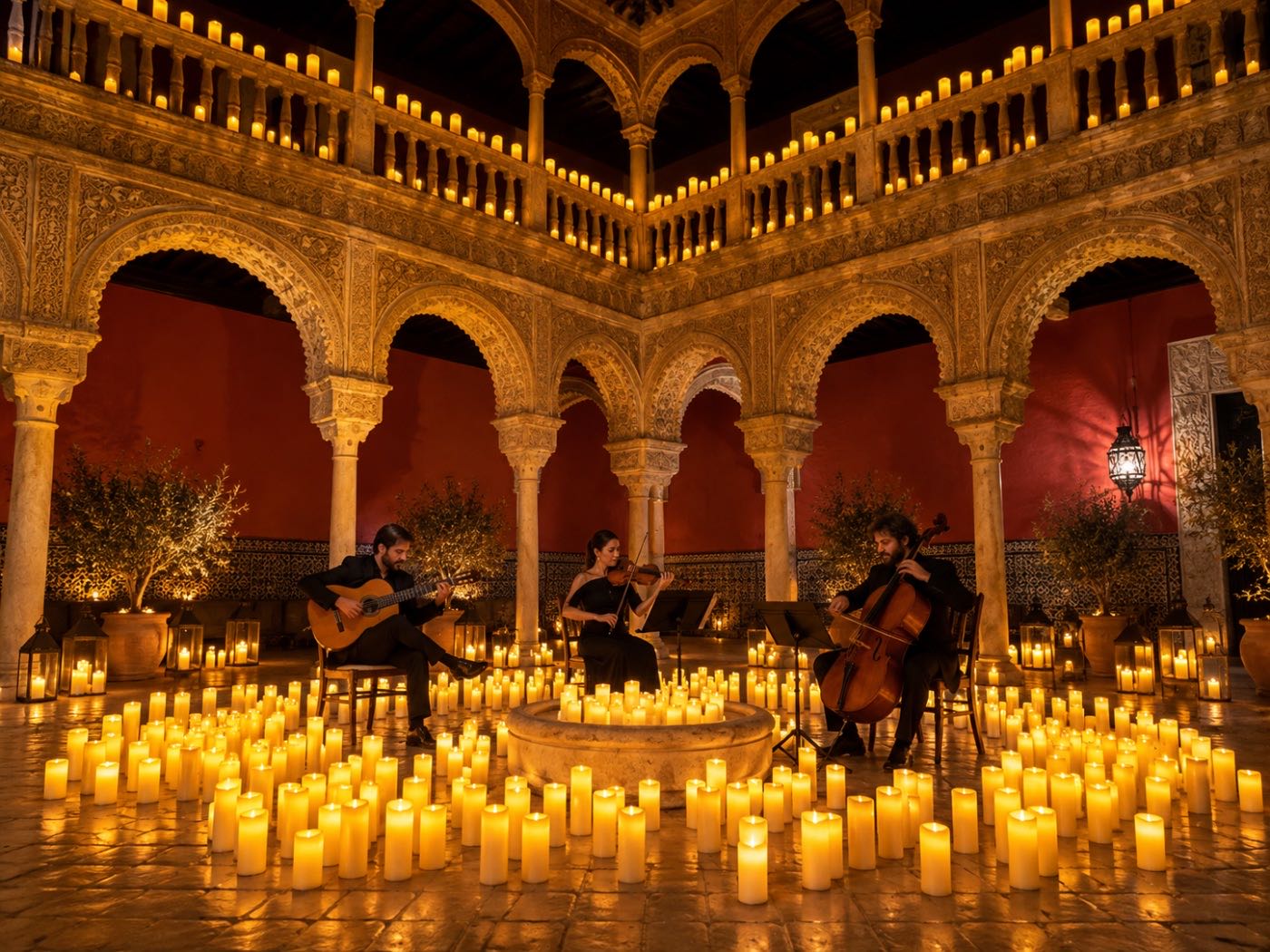
Concerts with live music by the light of hundreds of candles, held in some of Seville's most beautiful rooms. Two of the most-used venues are Casa de Salinas, a 16th-century palace in Santa Cruz, and the Salón Real at Hotel Alfonso XIII. The programme ranges from classical repertoire — like Vivaldi's Four Seasons — to film scores and tributes to bands like Queen and The Beatles. The concerts usually last around an hour, and tickets should be booked in advance, as they often sell out.
6. On foot — and by bike
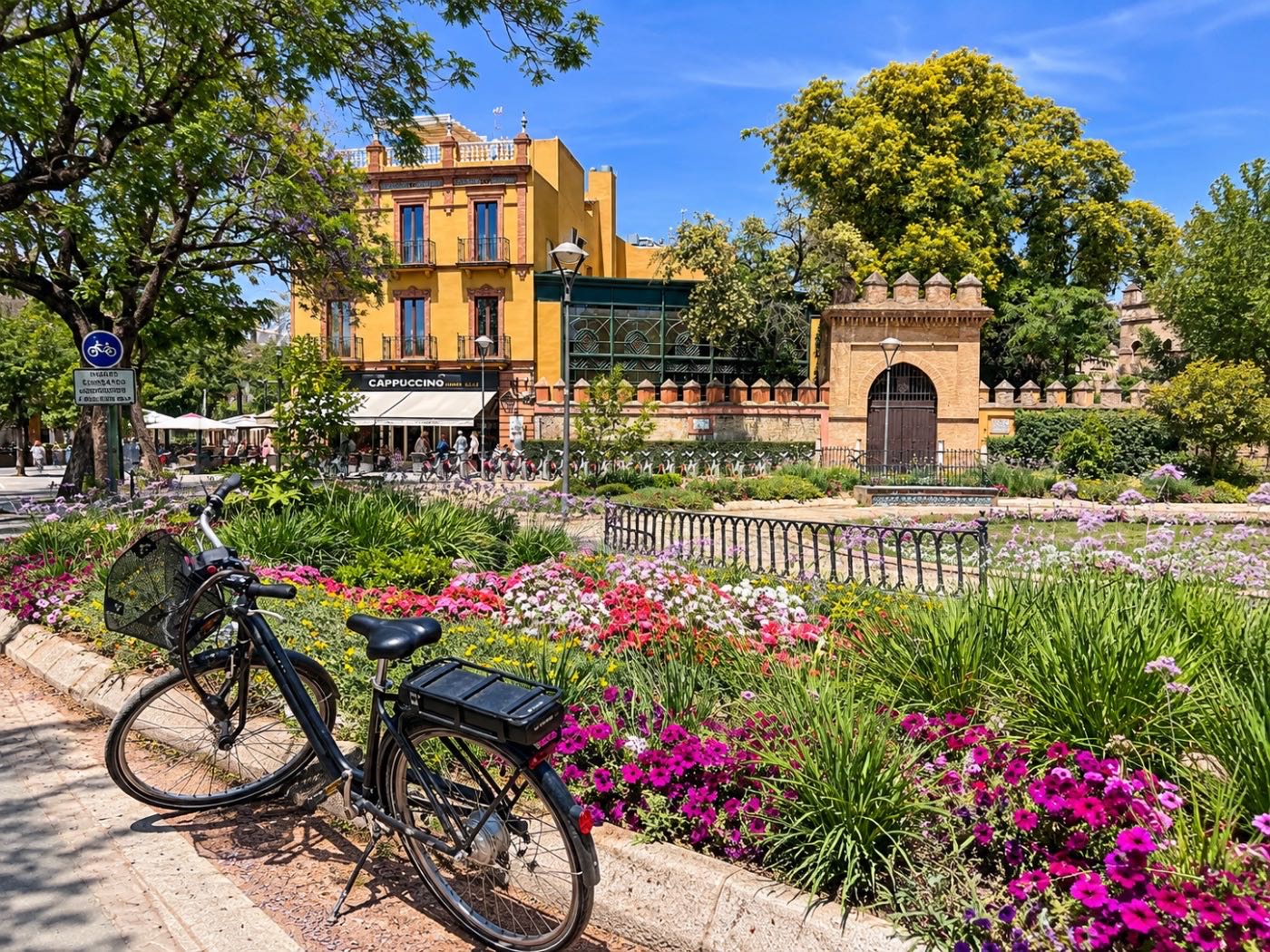
For me personally, autumn means the bike comes out again. In summer it's simply too hot to use Seville's bike paths as a way to get around, but from September they become a great way to move through the city again. Seville has one of the most developed bike networks in Spain, and much of it runs along the Guadalquivir: you can follow the river past the Expo 92 site on Isla de la Cartuja and further north to the Macarena church. On a bike you cover more ground in the same time than on foot, and you can rent a bike both from rental shops in the centre and through bike-sharing apps.
But walking is still the best way to get to know Seville. Start in Santa Cruz, the old Jewish quarter, where the narrow, winding streets and shady patios weren't made for cars or bikes — only for walking. Continue across the river to Triana, a neighbourhood with its own identity and ceramics tradition, or head to Arenal, the riverside quarter that was historically Seville's port district and the starting point for the ships to the Americas — it's also the starting point of my tour in Columbus's footsteps. Both are best experienced at your own pace, without a fixed destination. Want me along through Santa Cruz and the Alcázar? I'll take you on my first day in Seville tour.
7. Plaza del Museo on a Sunday
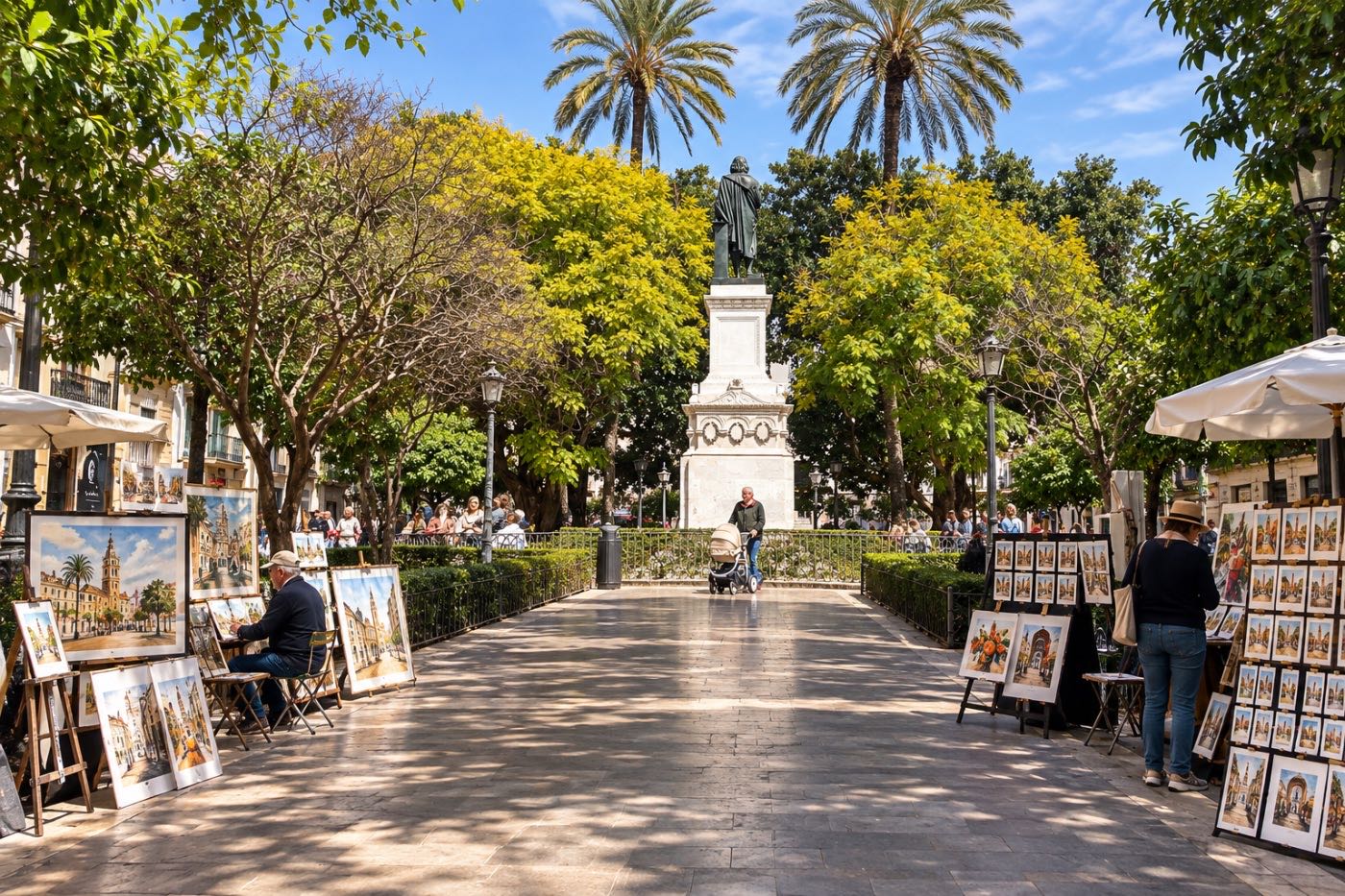
On Sundays, Plaza del Museo fills with local artists displaying paintings along the square — a quiet, little-known touch that fits perfectly into an autumn morning. The square sits right outside the Museo de Bellas Artes, Seville's fine arts museum, home to one of the finest collections of Spanish baroque painting outside Madrid. Combine the two, and you have a morning few tourists find on their own.
8. Palacio de las Dueñas
Palacio de las Dueñas is one of Seville's most beautiful palaces, and one of my favourite places to bring guests who have already seen the Alcázar. It was long the residence of the Duchess of Alba, and the poet Antonio Machado was born here. The palace has a lush inner patio with orange trees, and a much more intimate scale than the major sights — one more reason it suits a quiet autumn walk through the city.
9. Tapas out on the terrace
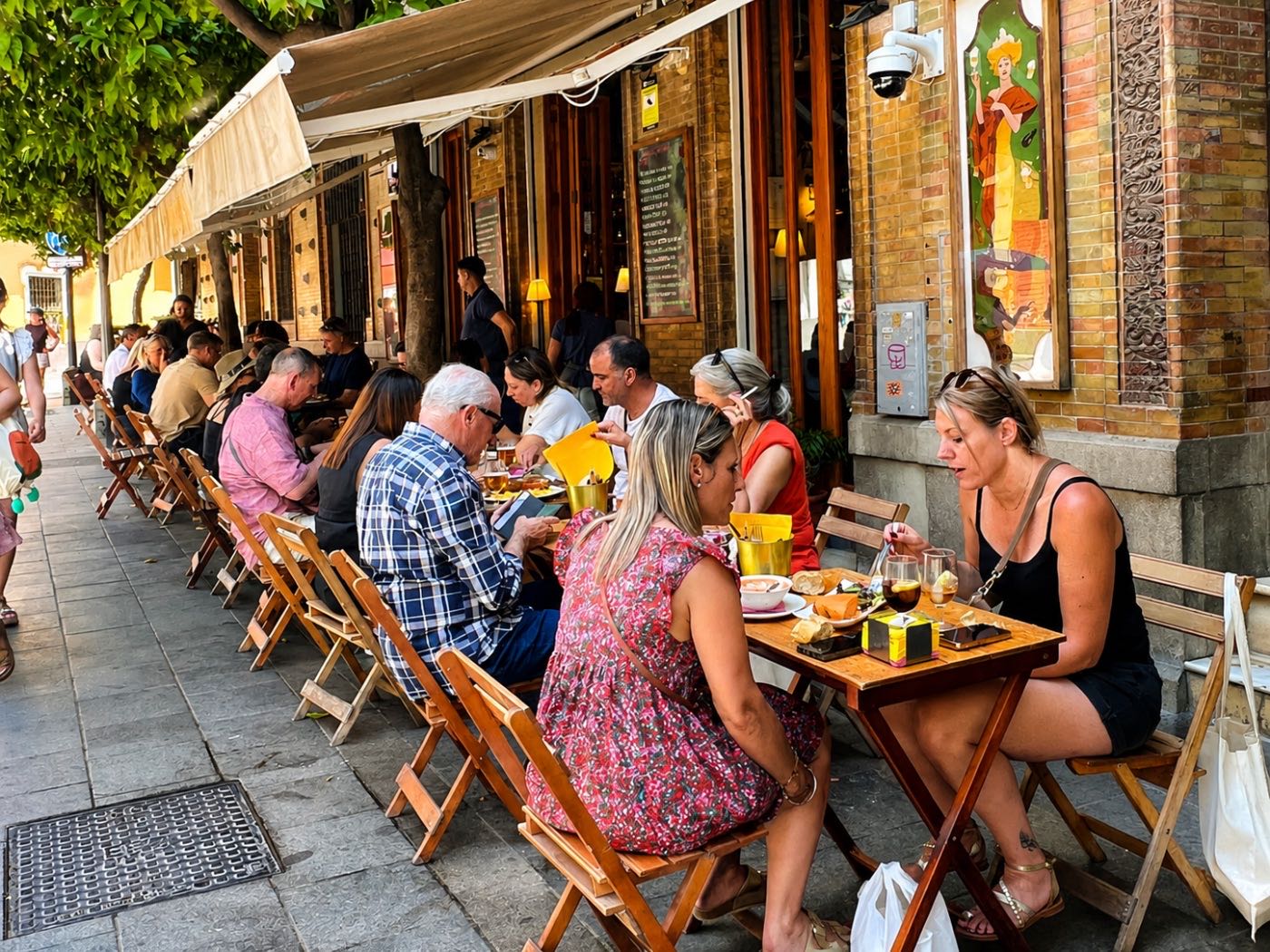
One of the things I love most about autumn is that sitting outside becomes pleasant again. Order a few small plates instead of one big meal, try several places in the same evening, and let the meal unfold gradually — that's how tapas is meant to be eaten.
This is also the time you start seeing seasonal ingredients on the menus — mushrooms, artichokes and other autumn produce, depending on the restaurant. And don't forget the sherry: although it's associated mostly with Jerez, it's a natural part of Andalusian cuisine and pairs beautifully with tapas. I also take guests on my history-to-tapas tour, which ends in exactly that — wine, Iberian ham and cheese.
10. Along the Guadalquivir and into Triana
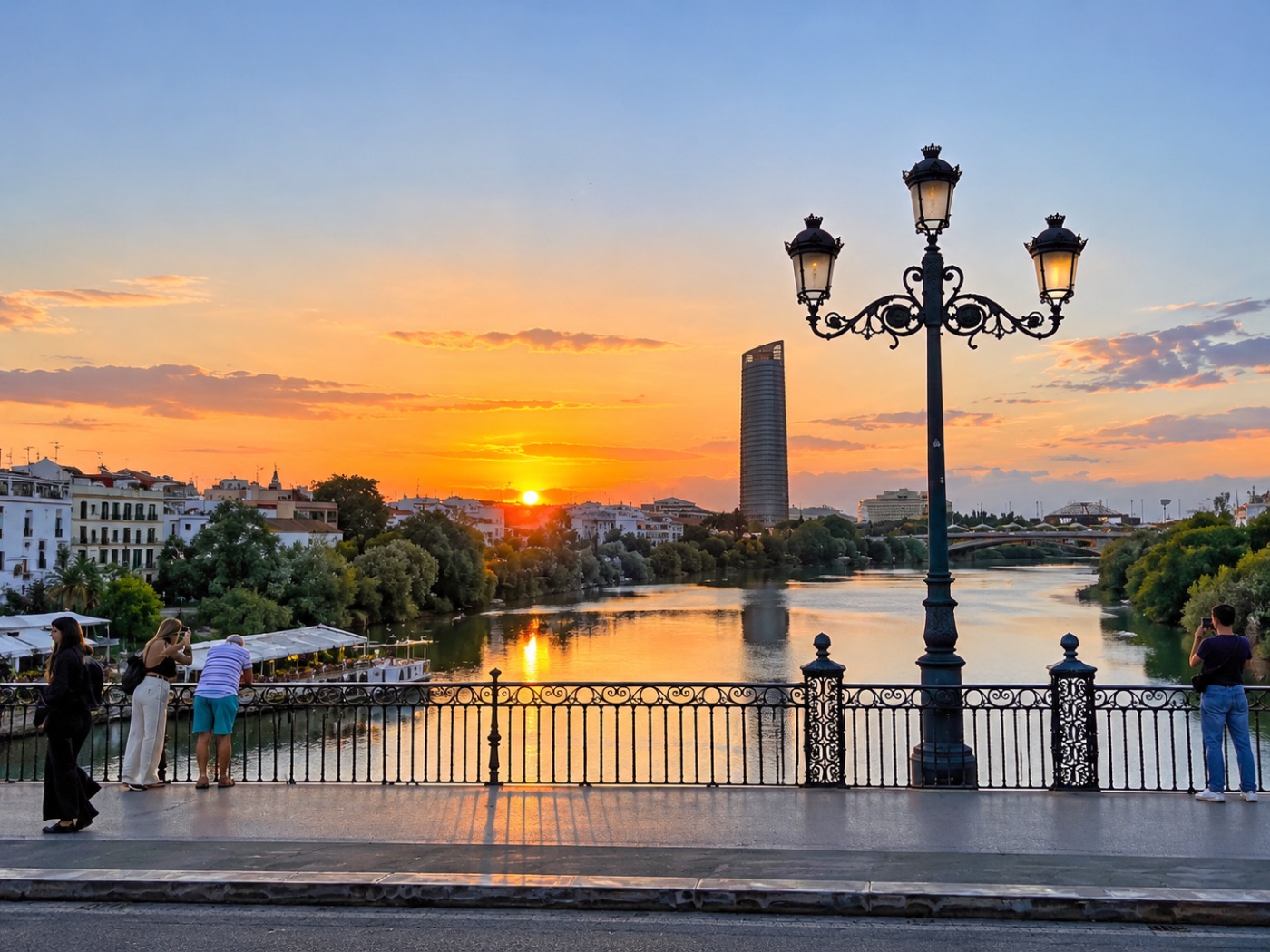
As the temperature drops, the river becomes one of my favourite areas for a quiet walk. Walk along the Guadalquivir from the centre, cross into Triana and continue on there. It's a different side of Seville than the one around the Cathedral and Santa Cruz — its own identity, ceramics traditions and a more local feel. Take your time and walk without a fixed goal; that's often when you find the nicest spots. Want to see the river from the water? We also run a luxury dinner aboard a yacht on the Guadalquivir.
Museo de Cerámica de Triana
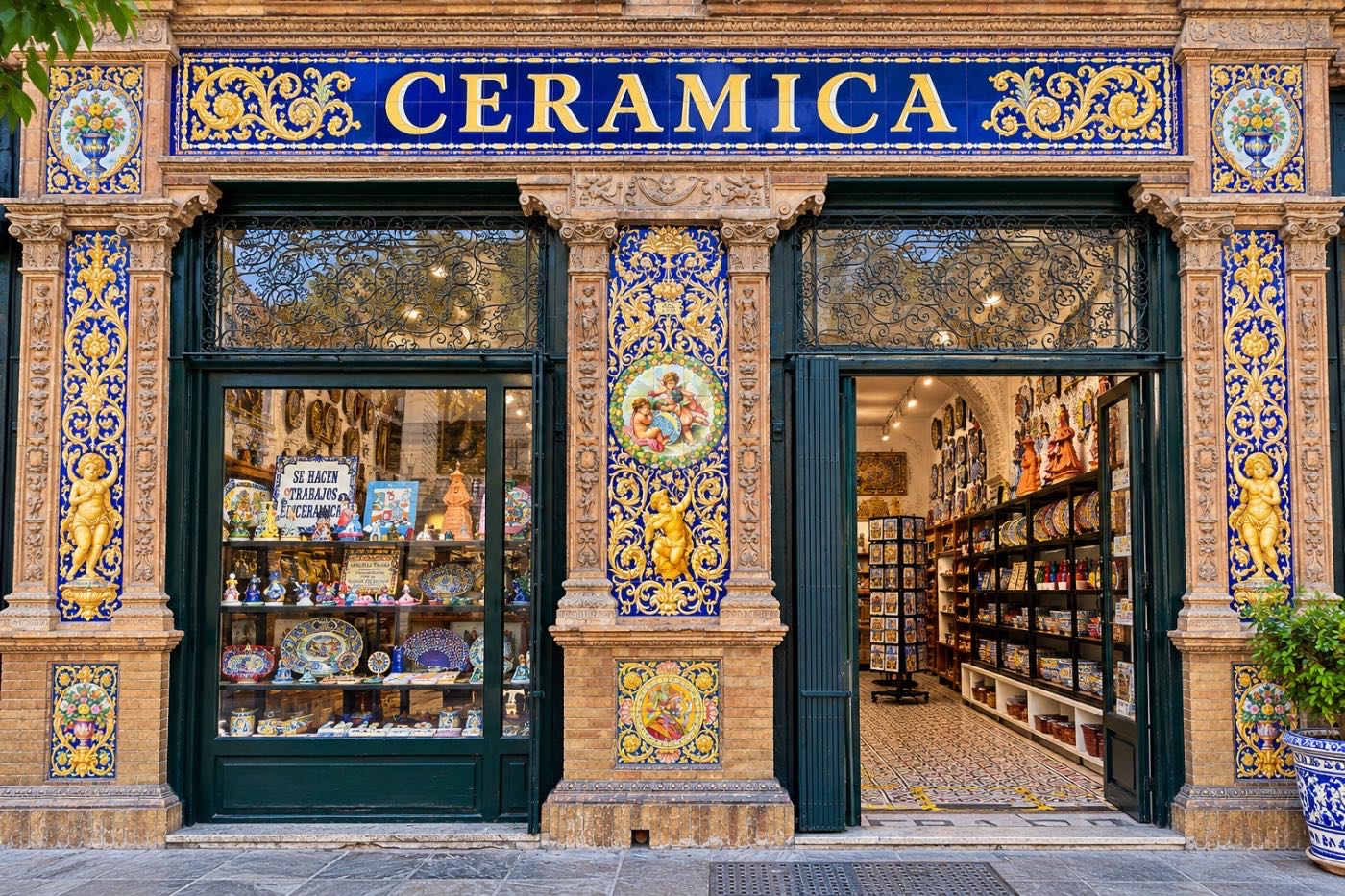
While you're in Triana, head to the Museo de Cerámica de Triana. Housed in an old ceramics factory, the museum shows how the neighbourhood has, for centuries, been the heart of Seville's tile production — the colourful azulejo tiles you see all over the city largely come from here. It's a small museum, but a good stop for understanding why Triana has the identity it does.
11. A walk through the market
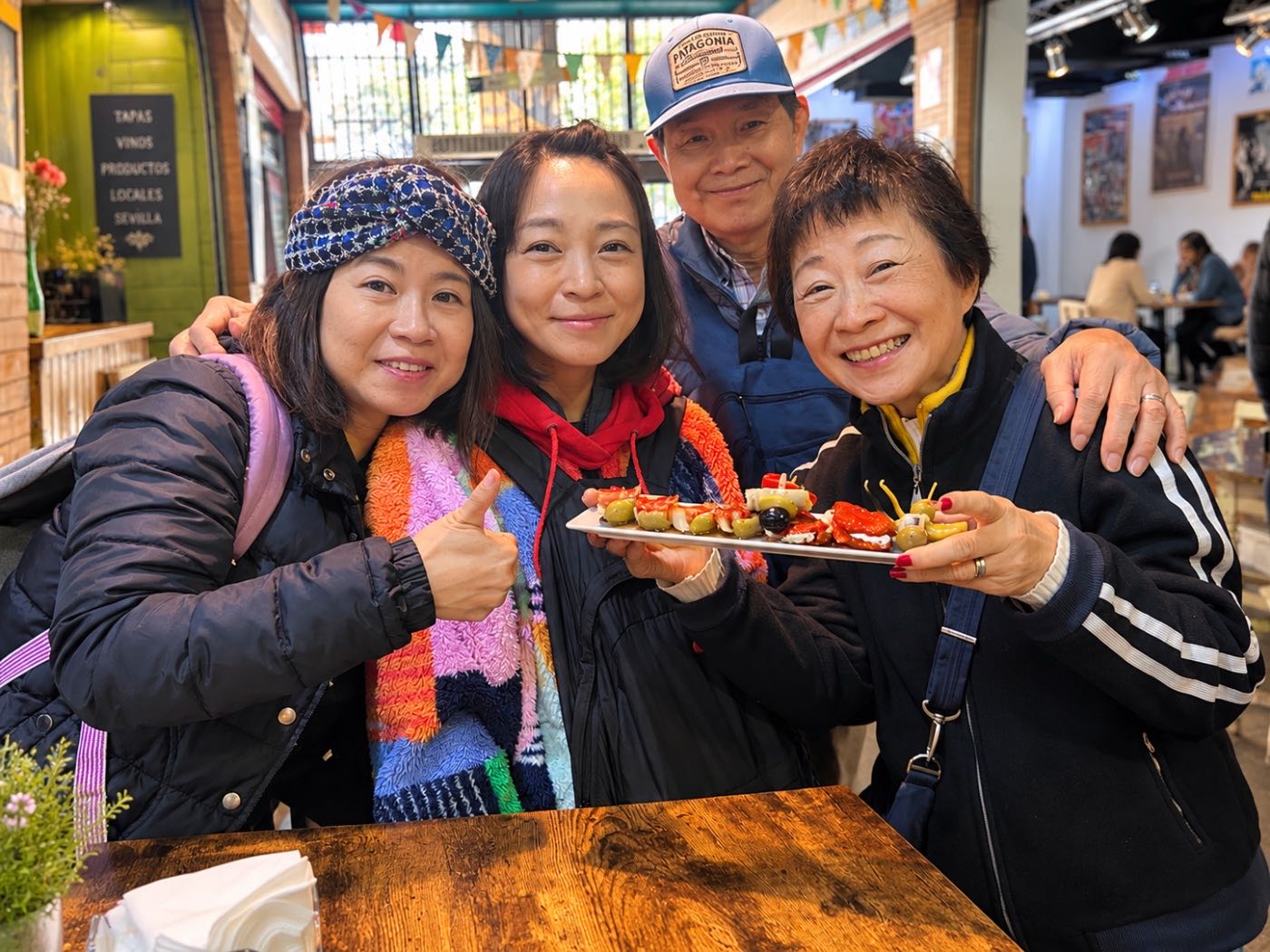
One of my favourite areas is the market in Triana, in the heart of the neighbourhood. Here you see the local ingredients — fish, meat, vegetables — used in Andalusian cooking. For anyone interested in food, it's a great way to understand Seville: the food culture doesn't begin in the restaurant, it begins with the ingredients and the people selling them.
12. A theatrical night visit to the Alcázar
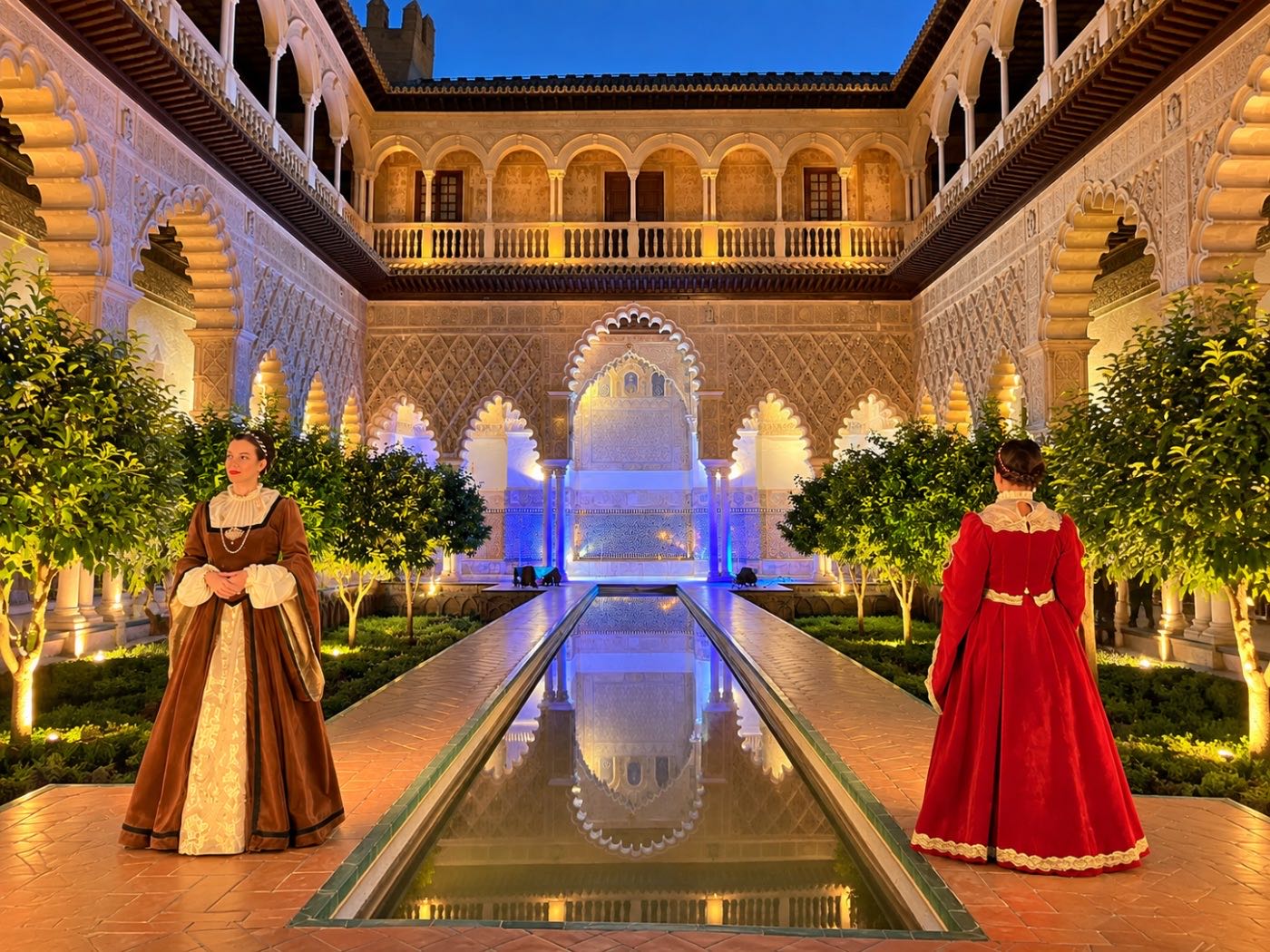
On certain evenings the Real Alcázar opens for a theatrical visit, with costumed actors bringing the palace's history to life. A completely different experience from a regular daytime visit.
13. The golden light
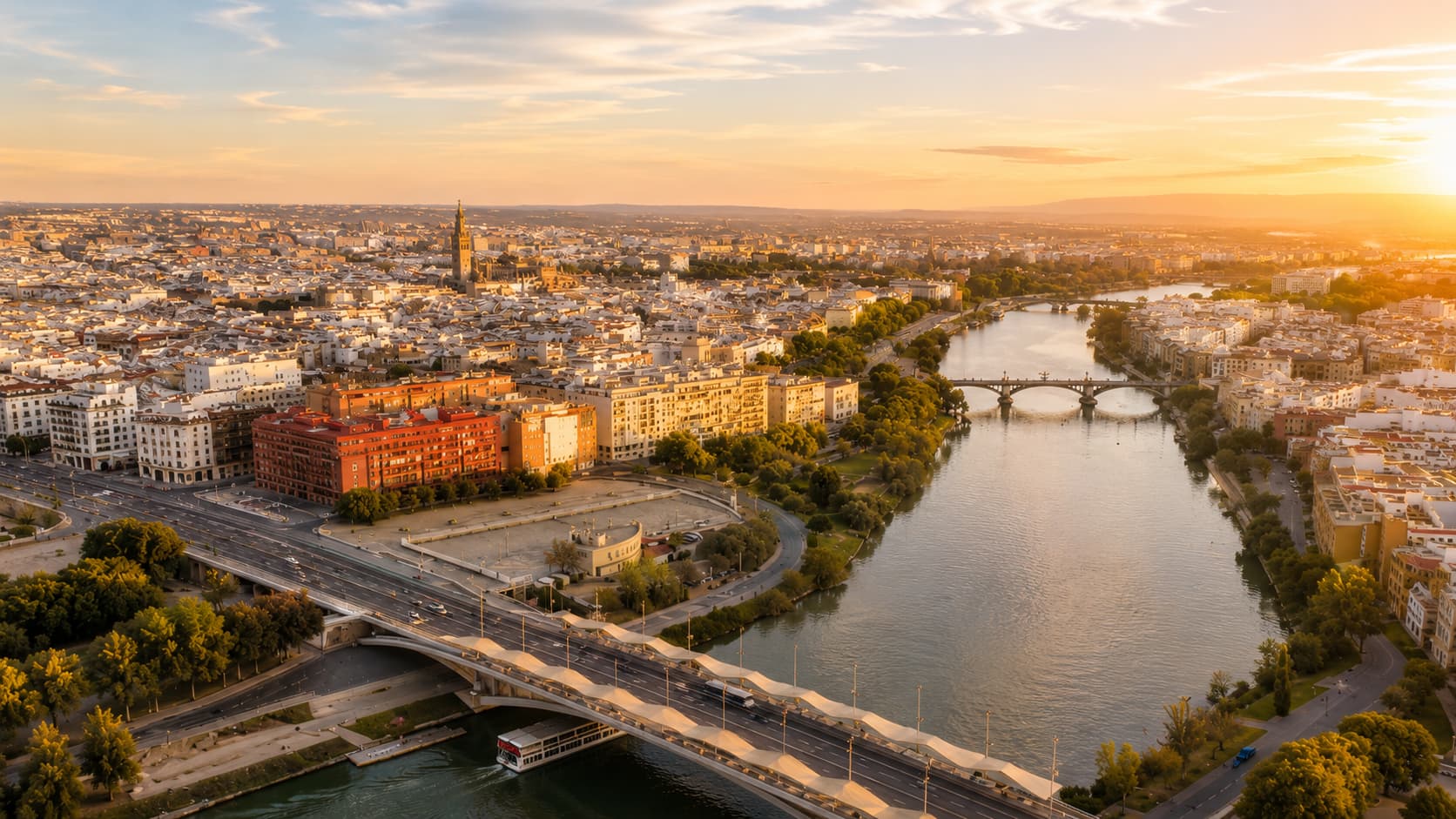
In summer, the afternoon light in Seville is almost white — the sun sits so high and hard that colours flatten out. In autumn it changes. The sun comes in at a lower angle, and from mid-afternoon the building façades and the river take on a golden glow that lasts all the way to dusk.
It's not something I can explain with numbers, but it's one of the reasons I always schedule my longest walks in October.
14. Day trips out of Seville
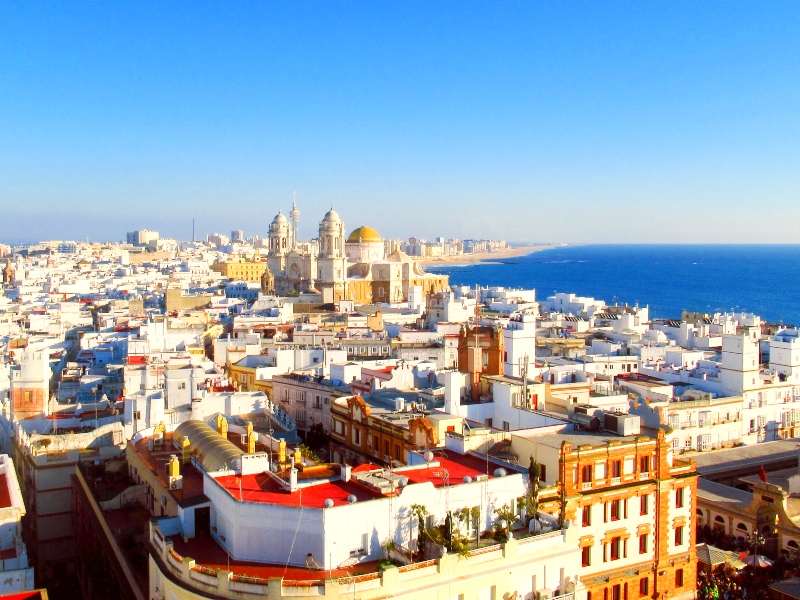
Autumn may be even better than summer for exploring the areas around Seville. Córdoba, with the Mezquita and its old town, is especially lovely when the temperature is pleasant. Jerez de la Frontera combines sherry, horses and Andalusian culture, as in my day trip guide to the sherry bodega and Cádiz. And for those who want nature, the Sierra de Aracena and its Iberian ham is a great choice — in autumn the landscape starts to turn, and the area is known for its villages, forests and food. For me, this is one of the advantages of Seville: the city also works as a base for exploring the rest of Andalucía.
«Autumn is full of exciting experiences, and a wonderful time to enjoy Seville at its truest.»
- Best months: September to November
- Temperature: around 30°C in early September, down to around 20°C in November
- Note: Sevillians are back from holiday from the first week of September
- Worth knowing: September and October are high season — book monument tickets well in advance
October is my favourite month to show off the city. Tell me when you're arriving, and I'll help you plan your trip.
Send me a messageFrequently asked questions
Yes, it's my personal favourite. The weather is pleasant, and the city has settled back into its normal rhythm after summer.
Still warm, often around 30 degrees Celsius early in the month. It gets noticeably milder towards the end of September and into October.
Yes, September and October are high season in Seville. Book tickets to the Alcázar, the Cathedral and other monuments well in advance.
Yes, no problem. That's exactly what sets October apart from August — you don't have to plan your day around the heat.